Uncle and nephew arrested for attempting to sell stolen bus for R$10,000 in Limeira
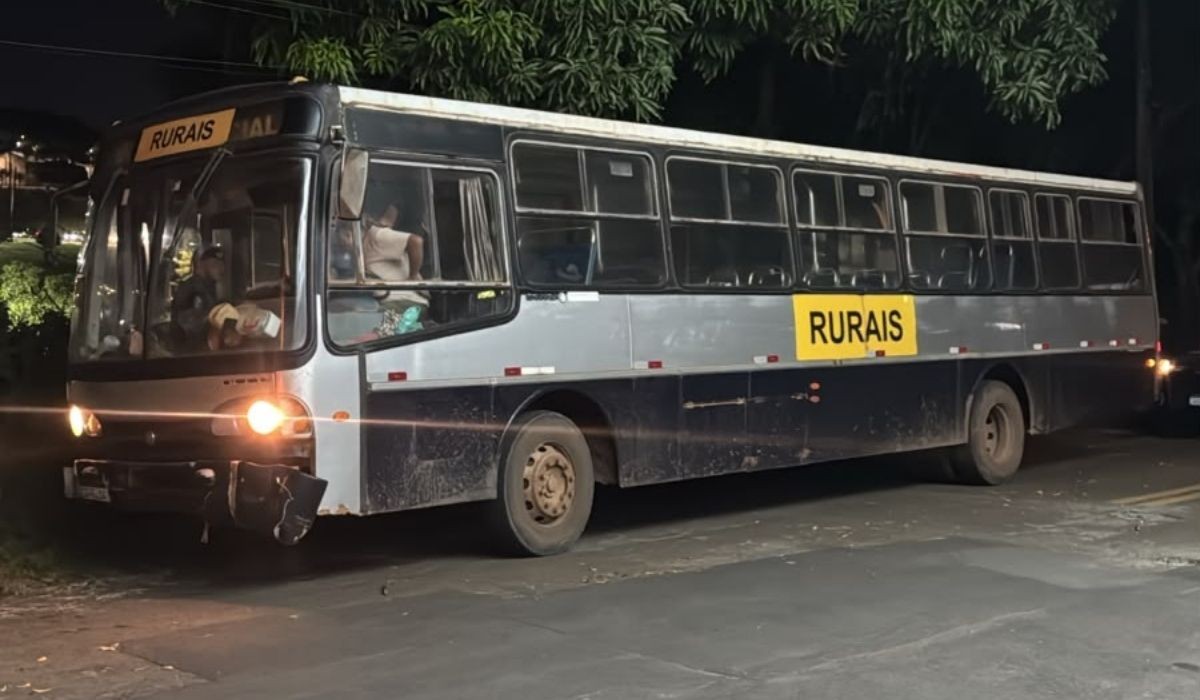
In Limeira, São Paulo, Brazil, an uncle and his nephew were arrested on Wednesday, August 1st, for attempting to sell a stolen bus. The men, aged 52 and 38, were apprehended in the Vila Cristovam neighborhood while negotiating the sale of the vehicle, which had altered license plates. According to the Military Police (PM), the uncle admitted to being in Limeira to finalize the sale. He stated he had purchased the stolen bus for R$5,000, knowing it was taken from Rio das Pedras, and intended to resell it for R$15,000. The uncle demonstrated to the police how to start the bus using a direct ignition method, confirming the vehicle was indeed stolen and its identification markings had been tampered with. The initial police encounter involved observing the suspects in a car parked in a suspicious location during a patrol. At that point, their accounts of their presence in Limeira differed. The uncle claimed to reside in Rio Claro and had traveled to Piracicaba to meet his nephew, after which they allegedly switched vehicles and proceeded to Limeira to discuss scrap metal sales. Conversely, the nephew stated his uncle lived in Piracicaba, lacked a driver's license, and that they had traveled to Limeira together to collect a cash payment. Both individuals were detained and taken to the Limeira Police Station, where they face charges of receiving stolen property and altering vehicle identification marks.
This incident highlights the illicit market for stolen vehicles, where individuals attempt to profit from the resale of stolen goods. The differing accounts provided by the uncle and nephew suggest potential attempts to mitigate their culpability or deflect suspicion. The case underscores the challenges law enforcement faces in intercepting such criminal activities, particularly when dealing with vehicles that have been altered to conceal their origins. Future efforts to combat vehicle theft and trafficking could benefit from enhanced tracking technologies and more robust inter-agency cooperation to disrupt these networks before stolen goods can be resold.
AI-generated to prompt reflection — not editorial opinion, not advice, not a statement of fact. How this works.