Underinflated vs. Overinflated Tires: Which is More Dangerous?
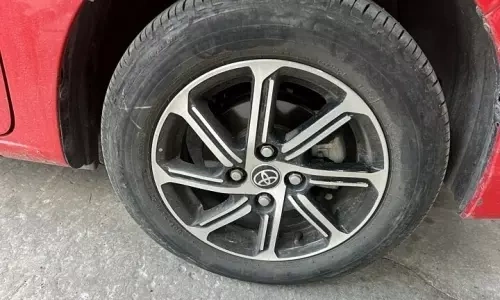
A reader, Tuan Ngoc, is seeking advice on tire inflation. He has heard conflicting recommendations regarding whether underinflated or overinflated tires are more dangerous. One piece of advice suggests overinflating tires to make the vehicle lighter and improve fuel efficiency. However, further research indicates that this practice could be hazardous. The reader is looking for clarification on the optimal and safest tire pressure for his vehicle.
The debate over tire inflation highlights a common tension between perceived short-term gains like fuel economy and long-term safety and vehicle longevity. Overinflating tires can indeed reduce rolling resistance, potentially leading to minor fuel savings and a lighter steering feel. However, this comes at the cost of a reduced contact patch with the road, compromising grip, braking performance, and increasing wear on the center of the tire. Conversely, underinflated tires significantly increase rolling resistance, leading to worse fuel economy and accelerated wear on the tire edges. They also generate excessive heat, raising the risk of blowouts, especially at higher speeds or under heavy loads. The optimal tire pressure, typically found on a sticker in the driver's side doorjamb or owner's manual, is a carefully engineered compromise designed to balance safety, efficiency, and tire wear over the vehicle's expected lifespan. Adhering to manufacturer recommendations is crucial for predictable vehicle dynamics and preventing premature tire failure.
AI-generated to prompt reflection — not editorial opinion, not advice, not a statement of fact. How this works.