Understanding Aftershocks: What They Are and Why They Occur After Earthquakes
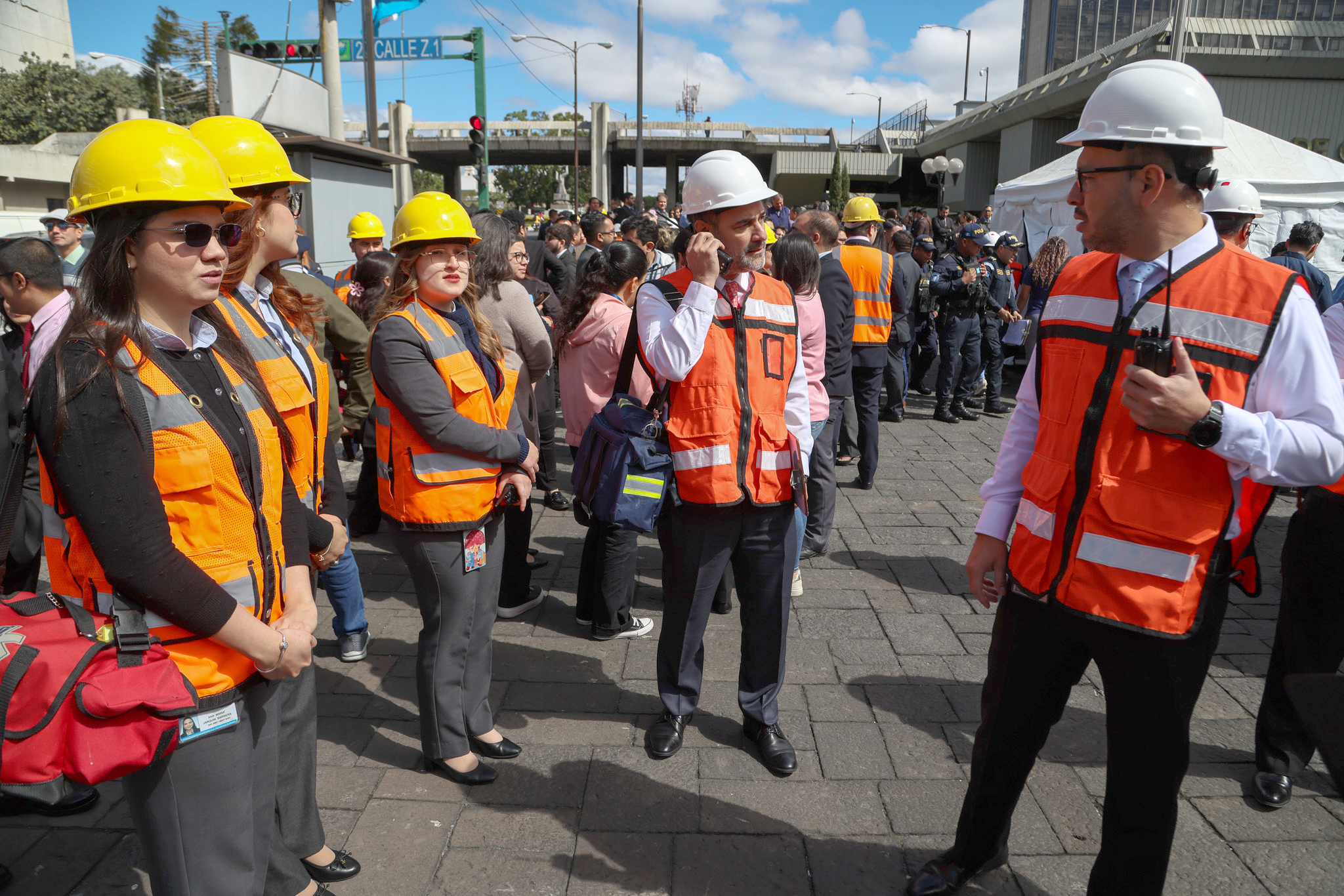
Aftershocks are seismic events that follow a main earthquake, typically occurring near the original epicenter. These tremors are a natural consequence of the Earth's crust adjusting to the stress released by the primary seismic event. When a major earthquake strikes, it causes significant shifts and fractures in the rock layers deep beneath the surface. The initial rupture releases a substantial amount of stored energy, but this process often leaves residual stress in the surrounding rock. Aftershocks are the result of these adjacent rock masses settling into a more stable configuration. They can continue for days, weeks, or even months after the main quake, gradually decreasing in frequency and intensity over time. While generally smaller than the main event, some aftershocks can still be powerful enough to cause additional damage to already weakened structures. It is crucial for residents in affected areas to remain vigilant and prepared for these subsequent tremors. Staying informed about official advisories and understanding the potential for aftershocks are key components of safety protocols following a significant earthquake.
The occurrence of aftershocks is a predictable geological phenomenon directly linked to the stress dynamics of tectonic plates. Following a major seismic event, the Earth's crust redistributes stress, leading to smaller, subsequent tremors as the system seeks equilibrium. This process highlights the inherent instability within fault zones and the cascading effects of significant energy release. Understanding the frequency and magnitude decay patterns of aftershocks is vital for effective disaster response and public safety planning. Future preparedness strategies may benefit from enhanced real-time seismic monitoring and predictive modeling to better anticipate the duration and intensity of aftershock sequences, thereby mitigating risks to infrastructure and populations.
AI-generated to prompt reflection — not editorial opinion, not advice, not a statement of fact. How this works.