Understanding Air Turbulence: What Caused Air India Flight AI2379 to Wobble?
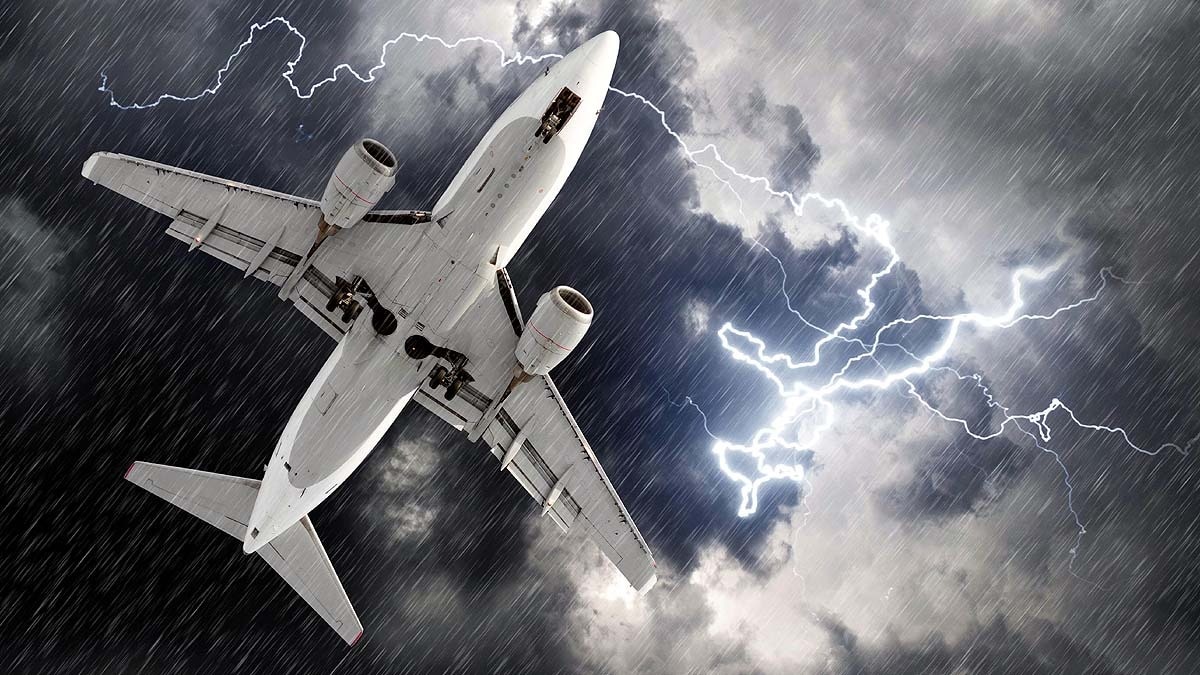
Air India flight AI2379 experienced a minor bout of air turbulence on August 4th while cruising. This event led to a change in altitude for the aircraft. The flight, which was en route to Delhi, landed safely at its destination. Fortunately, no passengers or crew members sustained any serious injuries as a result of the turbulence. The incident prompts an explanation of what air turbulence is and why it occurs. Air turbulence is a disturbance in the normal flow of air, often caused by atmospheric conditions such as jet streams, thunderstorms, or the passage of other aircraft. These disturbances can create unpredictable movements in an aircraft, leading to sensations of shaking or sudden changes in altitude. While unsettling, pilots are trained to manage these conditions, and aircraft are designed to withstand significant forces.
The incident involving Air India flight AI2379 highlights the inherent operational risks associated with air travel, even in routine flights. While the event was minor and resulted in no serious injuries, it underscores the importance of robust safety protocols and pilot training in managing atmospheric disturbances. Understanding air turbulence is crucial for passenger confidence and for aviation authorities to continuously refine safety standards. Future advancements in weather forecasting and aircraft design may further mitigate the impact of such events, ensuring greater passenger comfort and safety in the evolving landscape of air travel.
AI-generated to prompt reflection — not editorial opinion, not advice, not a statement of fact. How this works.
