Understanding and Managing Heat Rash in Children
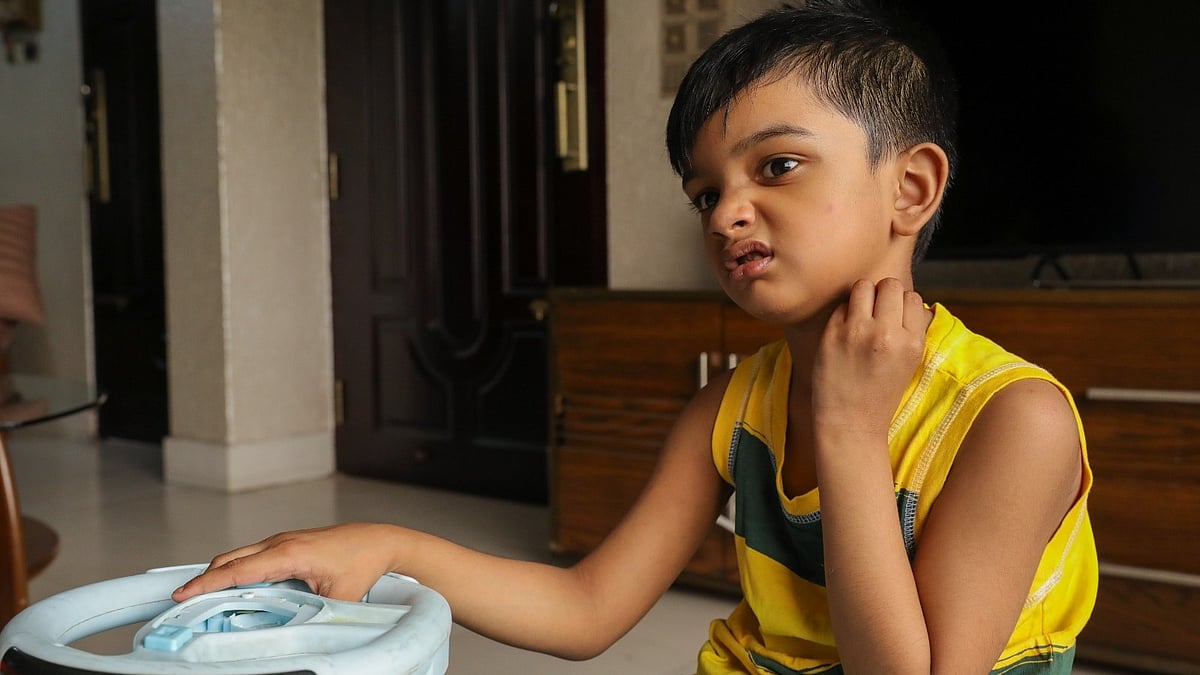
Heat rash, commonly known as prickly heat, is a frequent occurrence in children, especially during warm weather. Dr. Tasnuva Khan, a pediatrician from Sreenagar Upazila Health Complex in Munshiganj, explains that heat rash develops when sweat or dirt obstructs the sweat glands, preventing sweat from escaping the skin. In infants, this is more common because their sweat glands are not fully developed and can trap sweat. Parents may also contribute if they don't promptly address a baby's sweating. Older children are also susceptible due to increased physical activity leading to dirt accumulation on the skin.
Preventing heat rash involves several precautions. Loose-fitting clothing made of breathable, thin cotton is recommended. Parents should avoid tight garments and synthetic fabrics. Diapers should be used sparingly, and those chosen should not have plastic layers. Promptly wiping away sweat, especially from body folds like the armpits and groin, is crucial. Frequent clothing changes or baths are advised if a child sweats heavily. Maintaining cleanliness, especially after play, is essential, using mild, baby-appropriate soaps. Heavy moisturizers, petroleum jelly, or oils that can clog pores should be avoided in humid weather. Powder should not be applied to wet skin.
If heat rash does occur, it is generally not a serious condition and resolves on its own. However, it can cause discomfort and itching, potentially leading to scratching, skin damage, and secondary infections. Gentle remedies include cool baths or applying a cold compress (ice wrapped in a soft cloth) to the affected areas. Baby-specific prickly heat powders can offer relief. It's important to prevent children from scratching the rash; gentle patting is an alternative. Avoid chemical-laden lotions, as they can be ingested by the child. Over-the-counter ointments from pharmacies should also be avoided due to risks of ingestion and potential long-term skin damage from ingredients like steroids. Medical advice should be sought if the rash becomes severely itchy, shows signs of infection like pus, or is accompanied by fever.
The prevalence of heat rash in infants and young children highlights the physiological differences in their thermoregulation and skin development compared to adults. This condition underscores the importance of environmental management and parental vigilance in infant care, particularly in regions with hot and humid climates. The advice provided emphasizes practical, low-intervention strategies focusing on hygiene, appropriate clothing, and avoiding pore-clogging substances. The cautionary notes against self-medication with topical creams and ointments, especially those containing steroids, point to a broader public health concern regarding the potential for adverse effects from unregulated or inappropriate over-the-counter treatments in vulnerable populations. Future considerations may involve developing more breathable and moisture-wicking materials for infant clothing and diapers, as well as public health campaigns to educate caregivers on effective, evidence-based management of common pediatric skin conditions.
AI-generated to prompt reflection — not editorial opinion, not advice, not a statement of fact. How this works.