Understanding and Navigating Airplane Turbulence
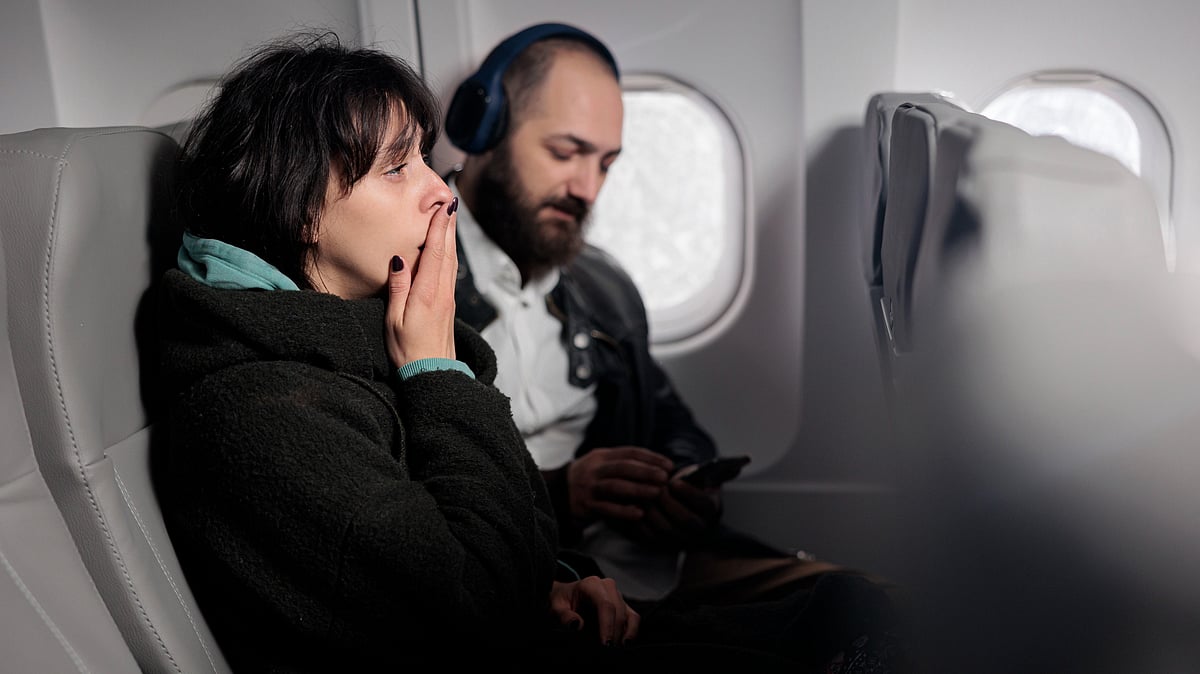
Airplane turbulence, characterized by sudden changes in wind direction and speed, causes aircraft to shake, often leading to passenger anxiety about potential danger. This phenomenon occurs when air becomes unstable and erratic, similar to waves forming on a calm river. Turbulence is frequently generated within clouds, particularly powerful cumulonimbus clouds with rapid updrafts and downdrafts. Pilots often warn passengers in advance when flying through such conditions, allowing them to prepare mentally. However, turbulence can also happen in clear, calm skies, known as 'clear air turbulence,' which is unpredictable and difficult to anticipate. High-speed jet streams interacting with calmer air, and wind colliding with mountains, are other significant sources of atmospheric disturbances that can extend over long distances. Despite its unsettling nature, modern aircraft are engineered to withstand forces far exceeding normal operational stress, making structural failure due to turbulence exceedingly rare. Pilots utilize detailed weather forecasts to plan routes that avoid known turbulent areas. Yet, increasing air traffic density sometimes makes avoidance challenging, necessitating reliance on data from other aircraft. Advanced aircraft technology and real-time sensor data are further enhancing turbulence prediction, aiming for safer and more comfortable flights. The primary risk arises from sudden, intense turbulence, where passengers not wearing seatbelts can sustain injuries. Therefore, pilots activate seatbelt signs during such events and instruct passengers to remain seated. Adopting safety practices, such as keeping heavy items secure and following cabin crew instructions, is crucial for mitigating risks. Experienced flight attendants suggest that turbulence is often more pronounced in the rear of the aircraft and less so in the cockpit. They advise keeping seatbelts fastened at all times, even when the seatbelt sign is off, to prevent head injuries. During turbulence, passengers should avoid moving children between seats or handling hot beverages. Passengers with a fear of flying are encouraged to inform the cabin crew beforehand for additional support. Utilizing mobile applications like 'My Radar' or 'Swar' can provide insights into sky conditions, helping passengers prepare mentally. Understanding the causes and nature of turbulence can significantly reduce passenger fear and increase confidence in the aircraft's ability to manage these situations.
The provided text offers a comprehensive explanation of airplane turbulence, demystifying a common source of passenger anxiety. It effectively distinguishes between various types of turbulence, their causes, and the engineering and procedural safeguards in place. The analysis highlights that while turbulence is a natural atmospheric phenomenon, aircraft are designed with significant structural integrity to handle it, and pilot training emphasizes avoidance and mitigation. The increasing frequency of turbulence, potentially linked to climate change and increased air traffic, presents a growing challenge for aviation safety and passenger comfort. Future advancements in real-time sensing and predictive modeling are crucial for further enhancing flight predictability and minimizing unexpected encounters. Passengers are empowered by understanding the phenomenon and adhering to safety protocols, such as remaining seated with seatbelts fastened, which significantly reduces the risk of injury.
AI-generated to prompt reflection — not editorial opinion, not advice, not a statement of fact. How this works.