Understanding Battery Drain in Powered-Off Phones
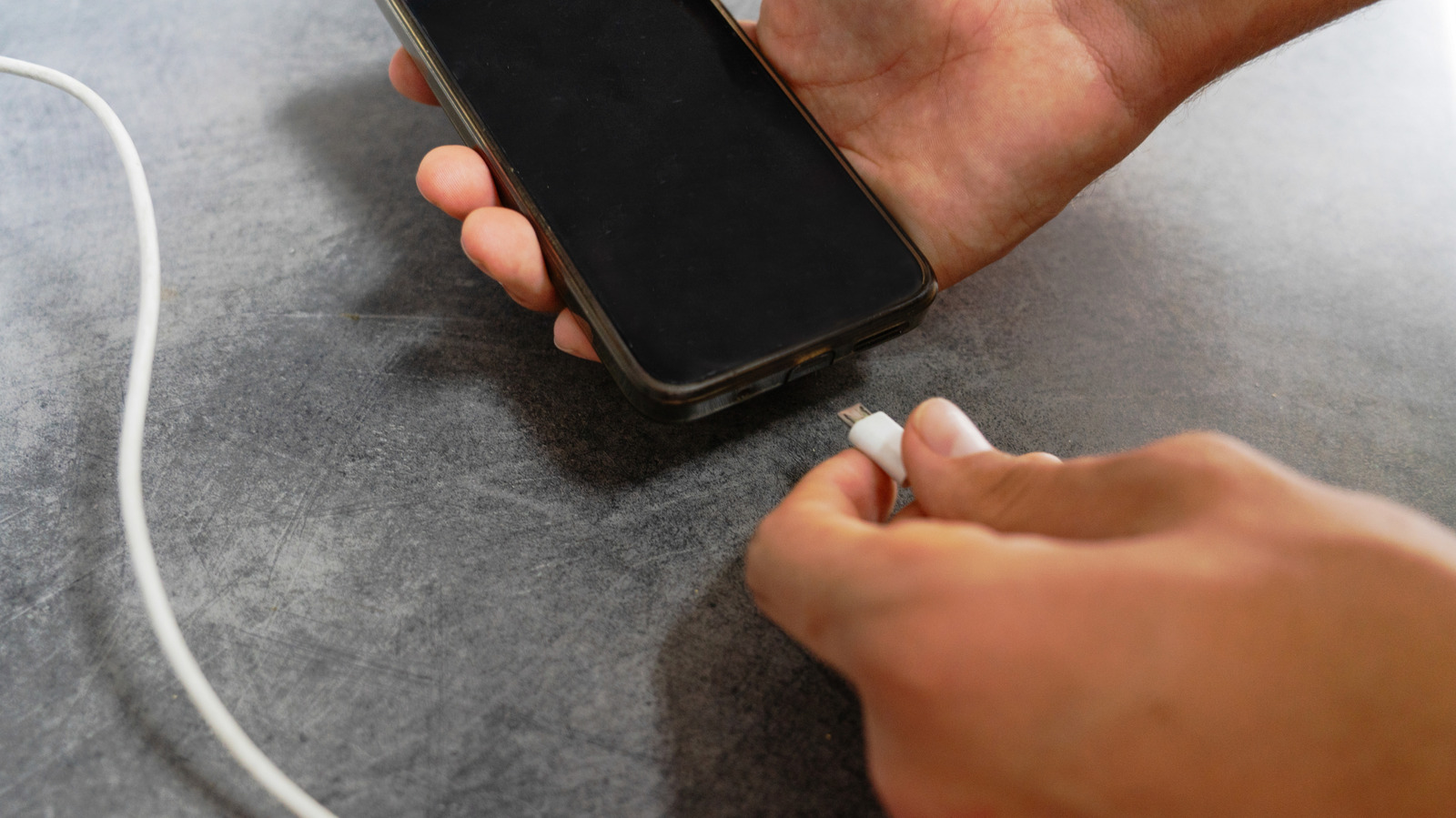
Even when a smartphone is turned off, its battery continues to lose charge. This phenomenon is due to several factors that persist despite the device being in a powered-down state. One primary reason is the self-discharge rate of lithium-ion batteries, which are standard in most modern phones. This natural chemical process causes a slow, gradual loss of capacity over time, regardless of whether the device is active or inactive. Additionally, certain components within the phone, such as the real-time clock (RTC) and memory chips, require a minimal amount of power to maintain their state and functionality. These systems need to stay powered to keep track of time and retain essential data. Furthermore, some phones may have background processes or parasitic drains that consume a small amount of energy even when the main operating system is not running. These can include security features or components that are designed to remain in a low-power standby mode for quick startup. Therefore, while the phone appears off, a small but constant power draw prevents the battery from remaining fully charged indefinitely.
The persistent, albeit minimal, battery drain in powered-off smartphones highlights the inherent trade-offs in modern device design. While users expect a complete cessation of power consumption when a device is off, the necessity of maintaining core functions like the real-time clock and standby readiness introduces a low-level, continuous energy demand. This ongoing self-discharge and parasitic drain, inherent to lithium-ion technology and device architecture, raises questions about energy efficiency and the long-term sustainability of electronic device power management. Future designs might explore more radical power-off states or alternative battery chemistries to further minimize this unavoidable energy loss, aligning with broader trends towards energy conservation and extended device longevity.
AI-generated to prompt reflection — not editorial opinion, not advice, not a statement of fact. How this works.