Understanding Blank and Null Votes in Elections: They Don't Cancel Results
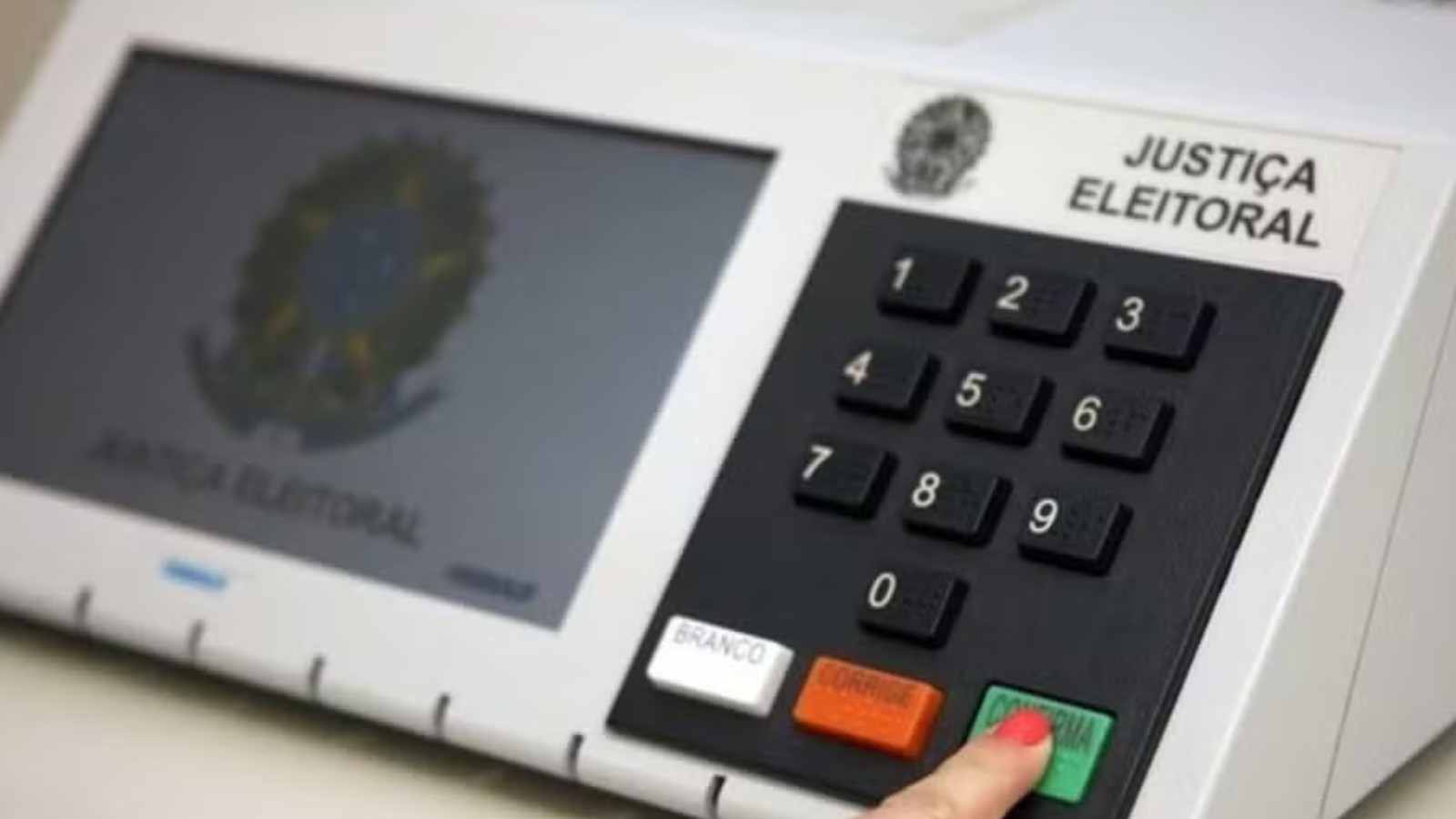
In elections, voters have the option to select a candidate, cast a blank vote, or nullify their vote. While these are distinct choices, both blank and null votes have the same impact on the election outcome: neither is considered a valid vote and therefore does not contribute to the count that determines elected candidates. Election law differentiates between valid and invalid votes, with blank and null votes being legally unusable and disregarded in current election tallies. This means that even if a majority of voters cast blank or null votes, the election is not invalidated. The winner is determined solely by the valid votes cast for specific candidates. For example, if out of 10,000 voters, 9,990 cast blank or null votes, leaving only 10 valid votes, the candidate who secures 50% plus one of those 10 valid votes would be elected. Political scientists view blank or null votes as expressions of dissatisfaction with candidates or the political landscape, but this action does not alter the calculation for determining winners. It is akin to a group deciding on a travel destination; only votes for available options influence the choice, while those who abstain do not participate in the decision. Political scientist Gabriela Rollemberg emphasizes that abstaining from choosing a candidate effectively leaves the decision to others, highlighting the importance of voter participation beyond the ballot box. She urges voters to be conscious of their choices, hold elected officials accountable throughout their term, and monitor whether promises and government plans are being fulfilled.
The electoral process, as described, functions on a system where only explicitly cast valid votes determine the outcome. Blank and null votes, while potentially signaling voter discontent or disengagement, are functionally inert in the final tally. This design incentivizes voters to engage with the available choices to influence results, rather than opting out. From a governance perspective, this ensures a clear mandate for elected officials based on expressed preferences. However, it also raises questions about how to interpret and address widespread voter abstention or protest votes as a collective signal of dissatisfaction with the available options or the political system itself. Future electoral models might explore mechanisms to capture or analyze such sentiment without compromising the validity of the core election process.
AI-generated to prompt reflection — not editorial opinion, not advice, not a statement of fact. How this works.