Understanding Blood Loss: How Much is Too Much?
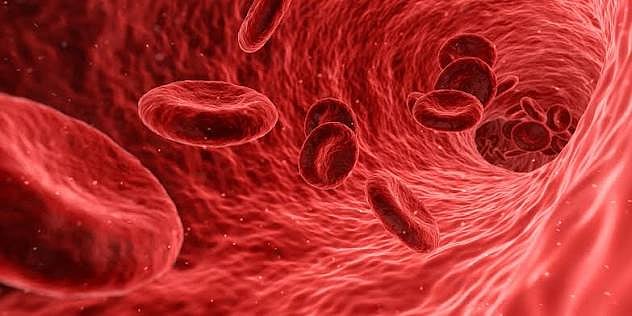
The amount of blood in the human body varies based on weight, age, and sex, typically ranging from 4.5 to 5.5 liters in adults, constituting about 7-8% of total body weight. Adult males generally have slightly more blood (5-6 liters) than females (4.5-5 liters) due to physiological differences. Blood volume changes with age: newborns have 75-100 ml per kg, children have 8-9% of their body weight due to rapid growth, and pregnant women can produce 30-50% more blood to support fetal development. Blood is vital, acting as a transport system for oxygen, nutrients, and waste products, and playing a crucial role in immune defense by carrying white blood cells and antibodies. It also helps regulate hormone distribution, maintain fluid and acid-base balance, and control body temperature. Losing 10-15% of total blood volume is usually manageable for the body. However, a loss of 20-30% can lead to weakness, dizziness, rapid heart rate, and shortness of breath, requiring medical attention. Losing 40% or more of blood volume is life-threatening and necessitates immediate medical intervention. For example, losing 2 liters or more from a 5-liter total blood volume can be extremely dangerous. Blood donation typically involves around 450 ml (less than 10% of total blood), which the body replenishes quickly; plasma is restored within 24-48 hours, while red blood cell production takes 4-8 weeks.
This article provides essential physiological data on human blood volume and the critical thresholds for blood loss. It objectively outlines the body's capacity to manage and replenish blood, distinguishing between manageable losses and life-threatening scenarios. The information serves as a factual basis for understanding the body's resilience and the importance of timely medical intervention in cases of significant hemorrhage. It highlights the body's complex systems for maintaining homeostasis, which are fundamentally challenged by substantial blood loss. Understanding these quantitative limits is crucial for public health awareness and emergency preparedness, enabling informed responses to medical emergencies without resorting to alarmist narratives.
AI-generated to prompt reflection — not editorial opinion, not advice, not a statement of fact. How this works.