Understanding Cancer Drug Resistance: Molecular Mechanisms and Strategies
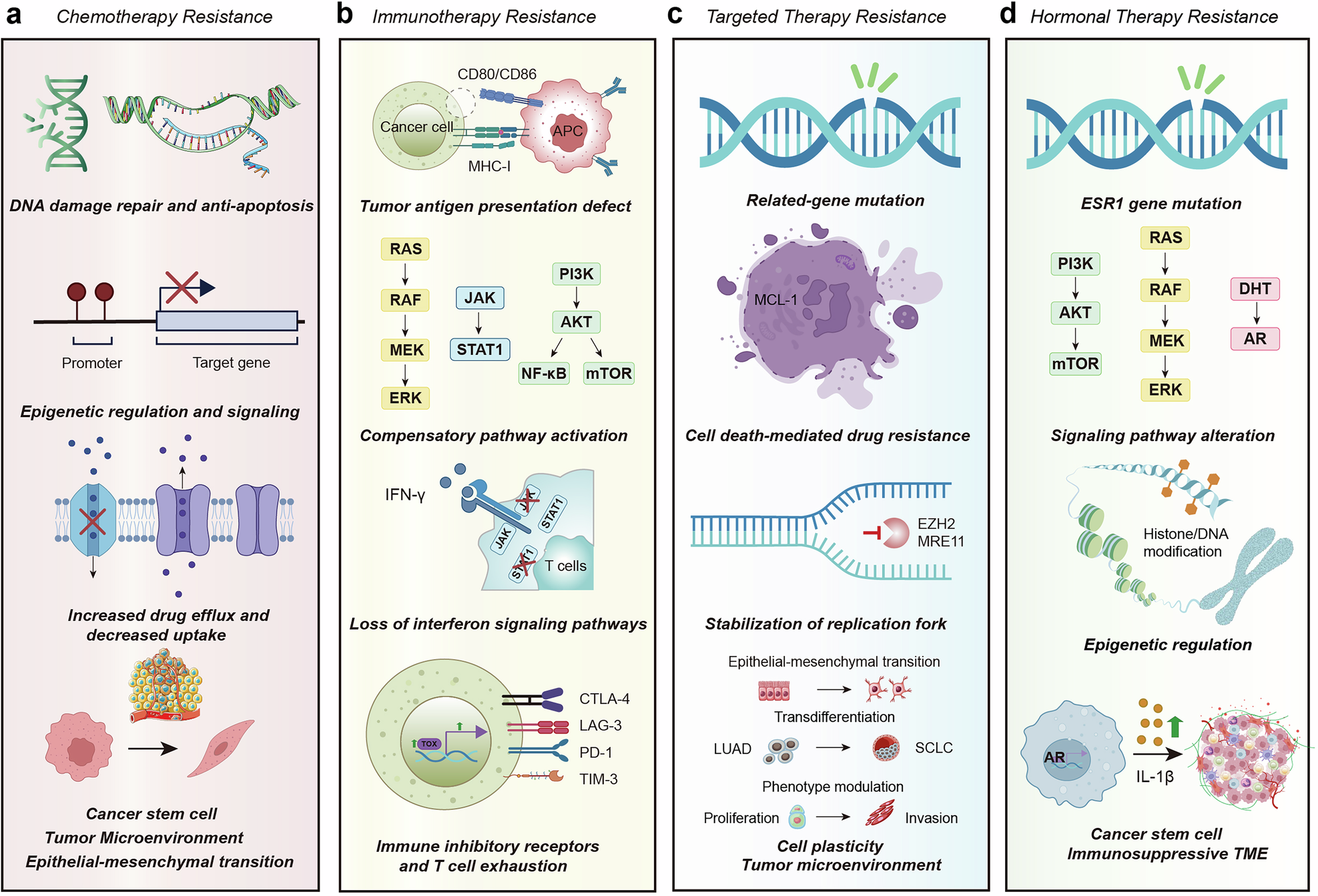
This document delves into the complex molecular mechanisms underlying cancer drug response and resistance. It explores how cancer cells develop resistance to therapeutic agents, a major challenge in oncology. The text outlines various strategies aimed at overcoming or preventing this resistance. These strategies often involve targeting specific molecular pathways that cancer cells exploit to survive and proliferate despite treatment. The document likely discusses the genetic and epigenetic alterations that contribute to drug resistance. It may also cover the role of the tumor microenvironment in modulating treatment efficacy. Ultimately, the goal is to identify novel approaches to improve patient outcomes by circumventing resistance mechanisms. The discussion aims to provide a comprehensive overview for researchers and clinicians in the field of cancer therapy. It highlights the continuous need for innovation in drug development and treatment strategies.
The development of cancer drug resistance presents a significant hurdle in achieving durable remissions and cures. Understanding the intricate molecular mechanisms driving this phenomenon is crucial for developing more effective and sustainable therapeutic strategies. Future approaches will likely focus on precision medicine, employing multi-drug regimens, and leveraging advancements in immunotherapy and targeted therapies to overcome resistance. The challenge lies in identifying predictive biomarkers and developing adaptive treatment plans that can evolve alongside the cancer's evolving resistance mechanisms. This necessitates a deeper understanding of tumor heterogeneity and the dynamic interplay between cancer cells and their microenvironment.
AI-generated to prompt reflection — not editorial opinion, not advice, not a statement of fact. How this works.