Understanding Engine Braking in Automatic Cars for Safer Driving and Reduced Mechanical Strain
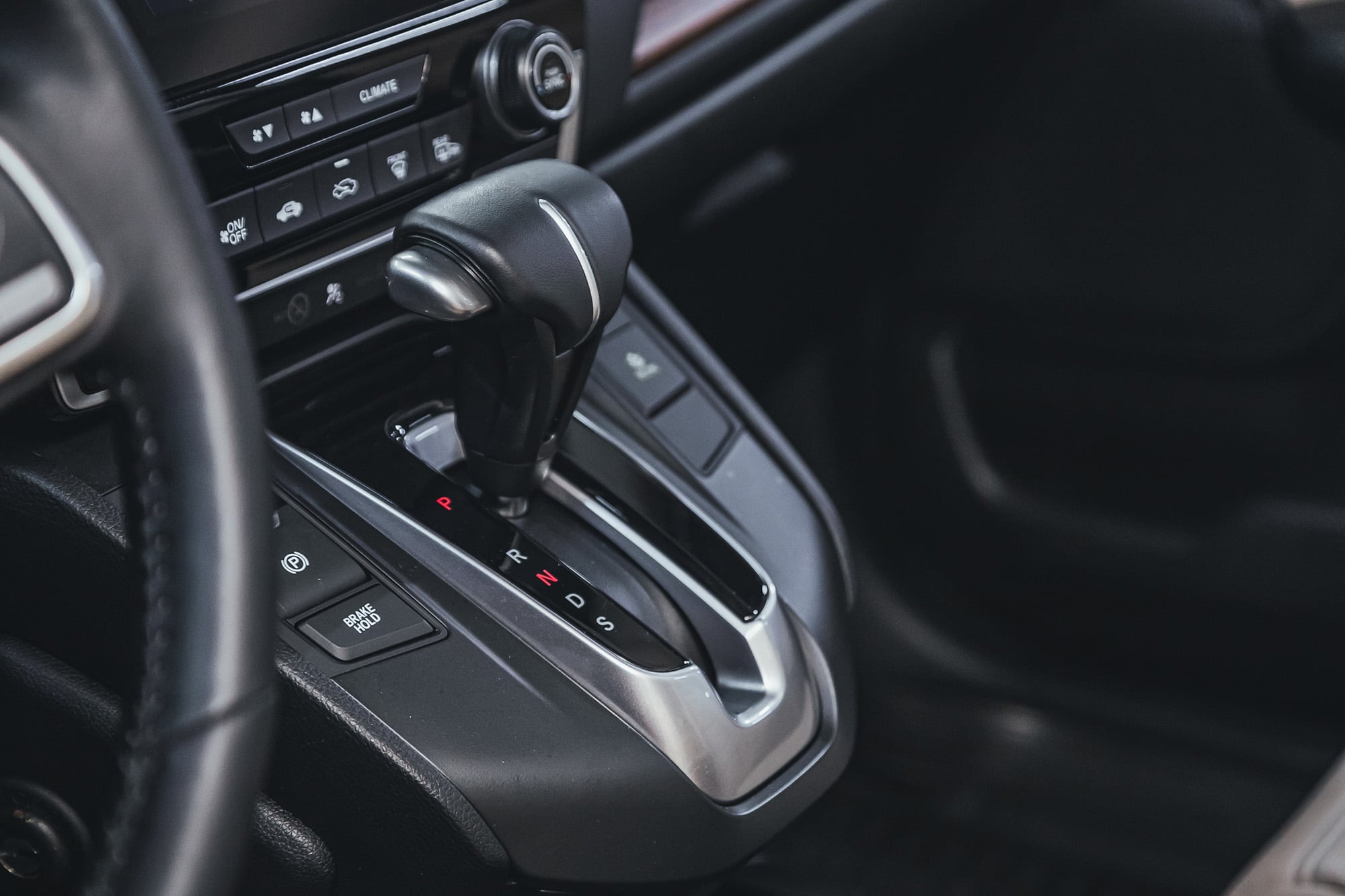
Drivers of automatic vehicles can utilize specific gear selections to engage 'engine braking,' a technique that helps control speed on descents and reduces wear on conventional brakes. Understanding the 'B' (Brake) and 'L' (Low) modes, often found in automatic transmissions, is key to leveraging this function. These modes essentially keep the transmission in a lower gear, causing the engine to work harder and slow the vehicle down naturally. This method is particularly beneficial when driving downhill, as it prevents the need for continuous application of the foot brake. Over-reliance on the foot brake during long descents can lead to overheating and potential failure of the brake system. By employing engine braking, drivers can maintain better control over their vehicle's speed, enhancing safety and minimizing the risk of mechanical issues related to brake strain. This technique not only preserves the lifespan of the brake pads and rotors but also contributes to a more stable and secure driving experience, especially in challenging terrains or adverse weather conditions.
The strategic use of engine braking in automatic transmissions offers a valuable mechanism for vehicle control and component longevity. By engaging lower gear settings, drivers can harness the engine's resistance to manage speed, particularly on inclines and declines. This approach mitigates the thermal stress on traditional friction brakes, thereby reducing the likelihood of premature wear and potential failure. From a systems perspective, understanding and utilizing these transmission features represents an optimization of the vehicle's inherent design, promoting both safety and efficiency. Over the next decade, as vehicle complexity increases with advanced driver-assistance systems and electrified powertrains, driver education on fundamental operational techniques like engine braking will remain crucial for safe and effective operation.
AI-generated to prompt reflection — not editorial opinion, not advice, not a statement of fact. How this works.
