Understanding Firestorms: How Intense Heat Fuels Forest Fires
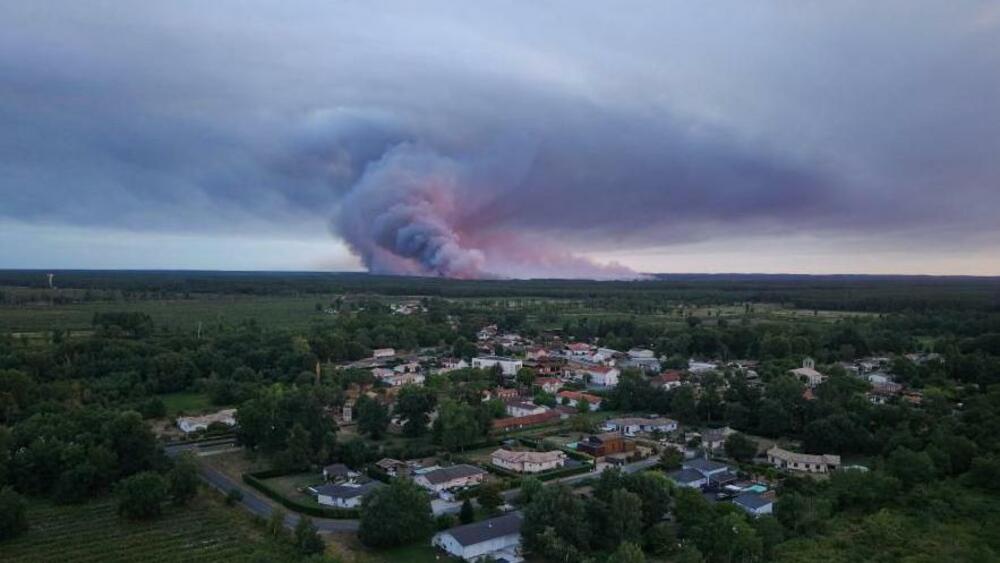
Forest fires generate an immense amount of heat, causing the air above the flames to rapidly ascend. This upward movement carries smoke, ash, and water vapor high into the atmosphere, a phenomenon that intensifies the fire's behavior. The rapid convection created by this heat plume can significantly exacerbate the spread and intensity of forest fires. This process contributes to the formation of firestorms, where the fire becomes self-sustaining and extremely destructive. The efficient transport of heat and embers aloft can lead to spot fires igniting far ahead of the main fire front. Understanding these dynamics is crucial for predicting fire behavior and developing effective suppression strategies. The extreme temperatures involved create powerful updrafts, drawing in more oxygen and further fueling the combustion process. This cycle of heat generation and atmospheric uplift is a key factor in the most severe wildfire events.
The intense heat generated by wildfires creates powerful atmospheric updrafts, a process that can significantly amplify fire behavior and spread. This phenomenon, often termed a firestorm, highlights a critical feedback loop where combustion drives atmospheric conditions that, in turn, intensify the fire. Understanding these dynamics is essential for improving predictive models and response strategies. The rapid vertical transport of heat and embers poses a significant challenge for containment efforts, as it can lead to rapid fire growth and the ignition of new fires ahead of the main front. Future wildfire management will likely require more sophisticated integration of atmospheric science to anticipate and mitigate the impact of such extreme events.
AI-generated to prompt reflection — not editorial opinion, not advice, not a statement of fact. How this works.