Understanding 'Leapfrogging Fires': How Wind Fuels Rapid Spread in the Var Region
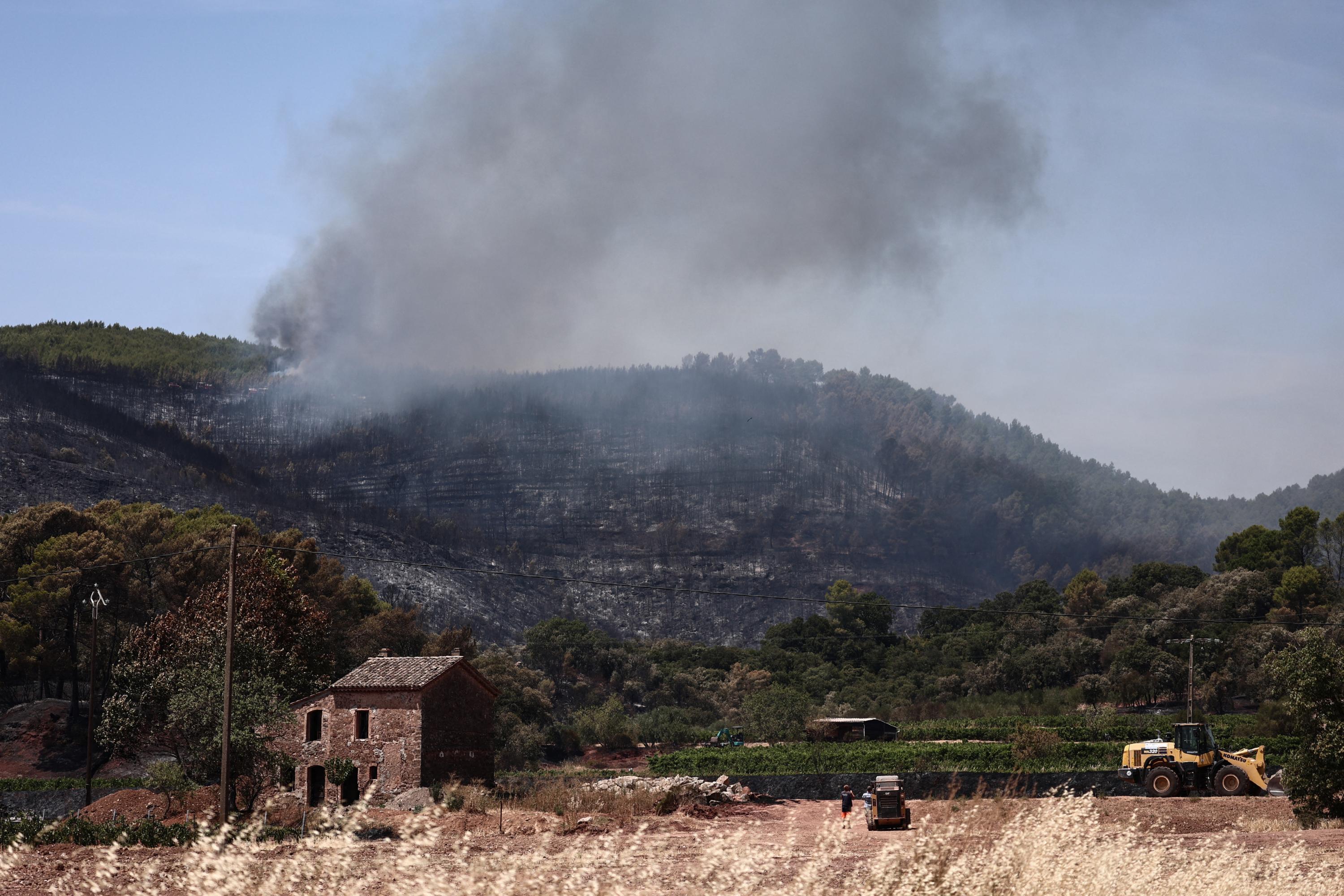
A new fire outbreak occurred this Tuesday in the Var department of France, exacerbated by high temperatures and requiring the deployment of several hundred firefighters. This incident follows a previous fire in the same department, which was reported as 'contained' on Monday. The article focuses on the phenomenon of 'sautes de feux,' or 'leapfrogging fires,' a mechanism that significantly accelerates the spread of wildfires. This process involves embers and burning material being carried by the wind over considerable distances, igniting new fires ahead of the main blaze. Such occurrences make containment efforts considerably more challenging for emergency services. The Var region, known for its dry climate and vegetation, is particularly susceptible to these rapid fire progressions. Firefighters are currently engaged in battling the new outbreak, with the high temperatures continuing to pose a significant risk factor. The 'leapfrogging' effect means that the fire front can advance unpredictably, requiring constant adaptation of suppression strategies. This phenomenon underscores the complex challenges faced in managing wildfires in certain geographical and climatic conditions.
The 'leapfrogging fire' phenomenon highlights the critical role of meteorological conditions and fuel continuity in wildfire dynamics. High temperatures and wind act as significant catalysts, transforming relatively contained blazes into rapidly expanding threats. This mechanism underscores the limitations of traditional fire containment strategies when faced with extreme weather events, necessitating advanced predictive modeling and rapid aerial response capabilities. Future wildfire management will likely need to integrate sophisticated weather forecasting with real-time fire behavior analysis to anticipate and mitigate the impact of such 'leapfrogging' events, focusing on proactive defensible space creation and resilient landscape planning.
AI-generated to prompt reflection — not editorial opinion, not advice, not a statement of fact. How this works.