Understanding 'Mother Complex': When Adult Dependence on Mom Hinders Life Decisions
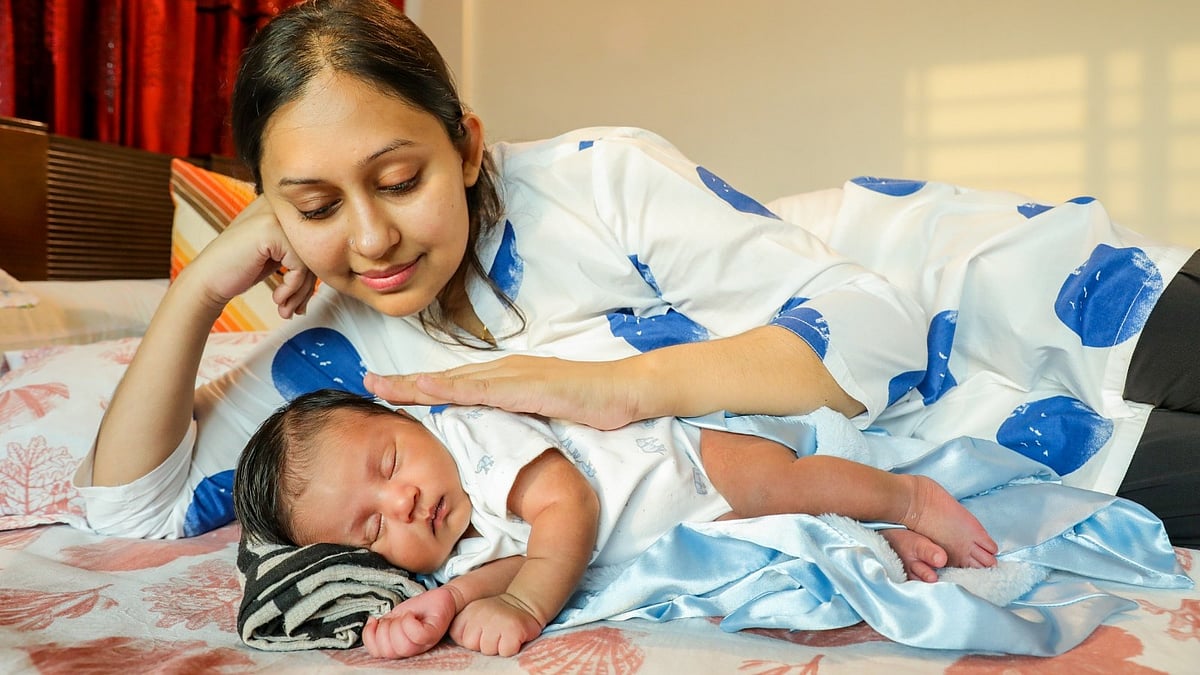
An adult's respect for their mother's opinion is natural, but an inability to make decisions independently can lead to life's progress being obstructed. This over-dependence may stem from what is known as a 'mother complex,' a concept explained by Dr. Tumpa Indrani Ghosh, an assistant professor of child and adolescent and family psychiatry and a senior clinical fellow in the UK. Mothers often nurture their children from infancy, aiming to provide the best and offering guidance, leaving a lasting imprint on their lives even in absence. This complex is formed by the accumulation of memories, emotions, experiences, expectations, and fears related to the mother in a child's subconscious. It's not a mental illness but an analytical concept, potentially forming around any primary caregiver if not the mother. The mother complex has two facets: one positive and one negative, stemming from the child's perception of the mother as a source of comfort, but also potentially fear if the child disobeys and anticipates reprimand. While a mother's role in guiding a child towards good and bad is crucial, excessive decision-making for an adult child can negatively impact their personal life. This often begins subtly, with mothers dictating choices like clothing or food, neglecting the child's preferences and potentially eroding their assertiveness. Conversely, a child who develops a healthy, friendly relationship with their mother as they grow may experience more comfortable intimate relationships in adulthood. However, an over-reliance can lead to significant indecisiveness, preventing adults from making even personal choices like honeymoon destinations without maternal input. Experts advise against imposing decisions and instead encourage teaching children right from wrong, societal norms, values, and empathy. Allowing children to make small decisions, even if they make mistakes, helps them learn from errors and prepares them for independence, ensuring the mother's influence remains positive.
The concept of the 'mother complex' highlights the critical role of parental guidance in child development and its potential long-term impact on adult autonomy. While maternal involvement is essential for instilling values and decision-making skills, an overreach by the parent can inadvertently foster dependence, hindering an individual's capacity for independent thought and action in later life. This dynamic underscores a systemic challenge in parenting: balancing protective nurturing with the promotion of self-reliance. As societies evolve, particularly with the increasing emphasis on individual agency and the complexities of adult relationships, understanding and navigating these early developmental influences becomes paramount. Promoting balanced parenting strategies that empower children to learn from their own choices, rather than solely relying on parental direction, is key to fostering resilient and self-sufficient adults equipped for the future.
AI-generated to prompt reflection — not editorial opinion, not advice, not a statement of fact. How this works.