Understanding New Rules and Tech Behind Contentious World Cup Decisions
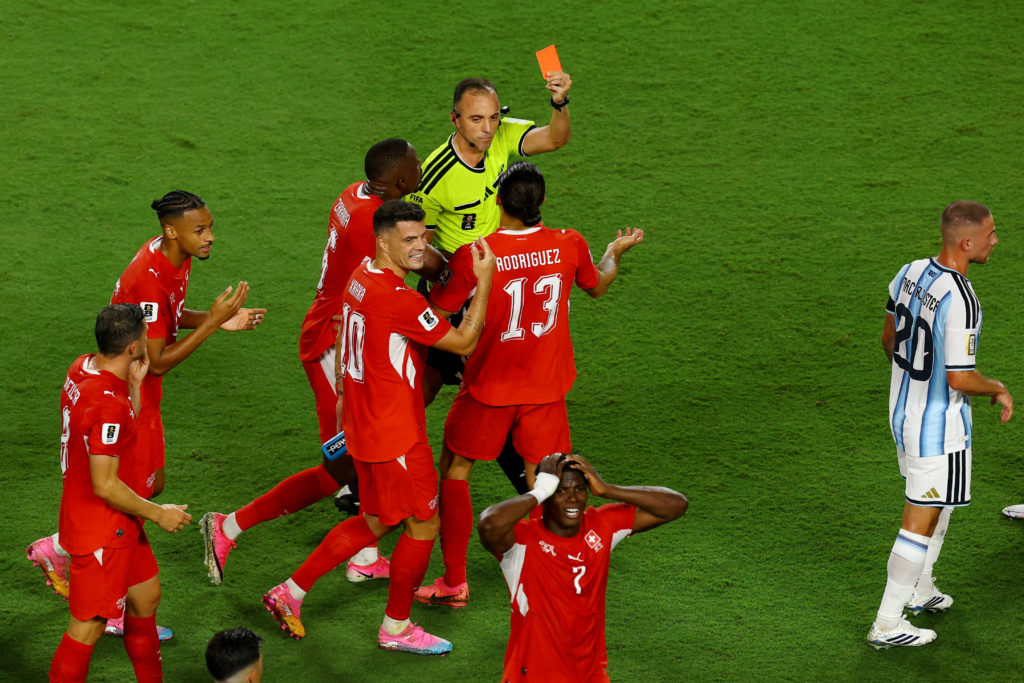
The recent sending off of Switzerland's Breel Embolo during a quarterfinal match against Argentina highlights ongoing debates surrounding officiating in the World Cup. This incident, which left many fans questioning the decision, is part of a broader discussion about the evolving rules and technologies influencing crucial calls in the tournament. The implementation of advanced systems aims to improve accuracy and consistency in refereeing. However, these technological aids and rule adjustments continue to be a source of contention. Fans and experts alike are grappling with how these changes impact the flow and fairness of the game. The article seeks to provide clarity on the specific regulations and technological advancements that are shaping these high-stakes decisions. It aims to demystify the processes behind controversial calls, offering insight into the complex interplay between human judgment and artificial intelligence in modern football. Understanding these elements is key to appreciating the nuances of officiating in contemporary international competitions.
The integration of advanced technology and evolving rule sets in major sporting events like the World Cup presents a complex dynamic. While the stated goal is to enhance fairness and accuracy, the subjective nature of sports officiating means that contentious calls can persist. This situation underscores a broader societal challenge: balancing the desire for objective, data-driven decision-making with the inherent human elements of interpretation and context. As technology becomes more sophisticated, its application in sports will likely continue to be debated, prompting ongoing discussions about accountability, transparency, and the ultimate role of human judgment in areas traditionally governed by it. The next decade will likely see further experimentation and refinement, aiming to optimize these systems for both performance and spectator experience.
AI-generated to prompt reflection — not editorial opinion, not advice, not a statement of fact. How this works.