Understanding Phobias: Causes, Symptoms, and Treatments
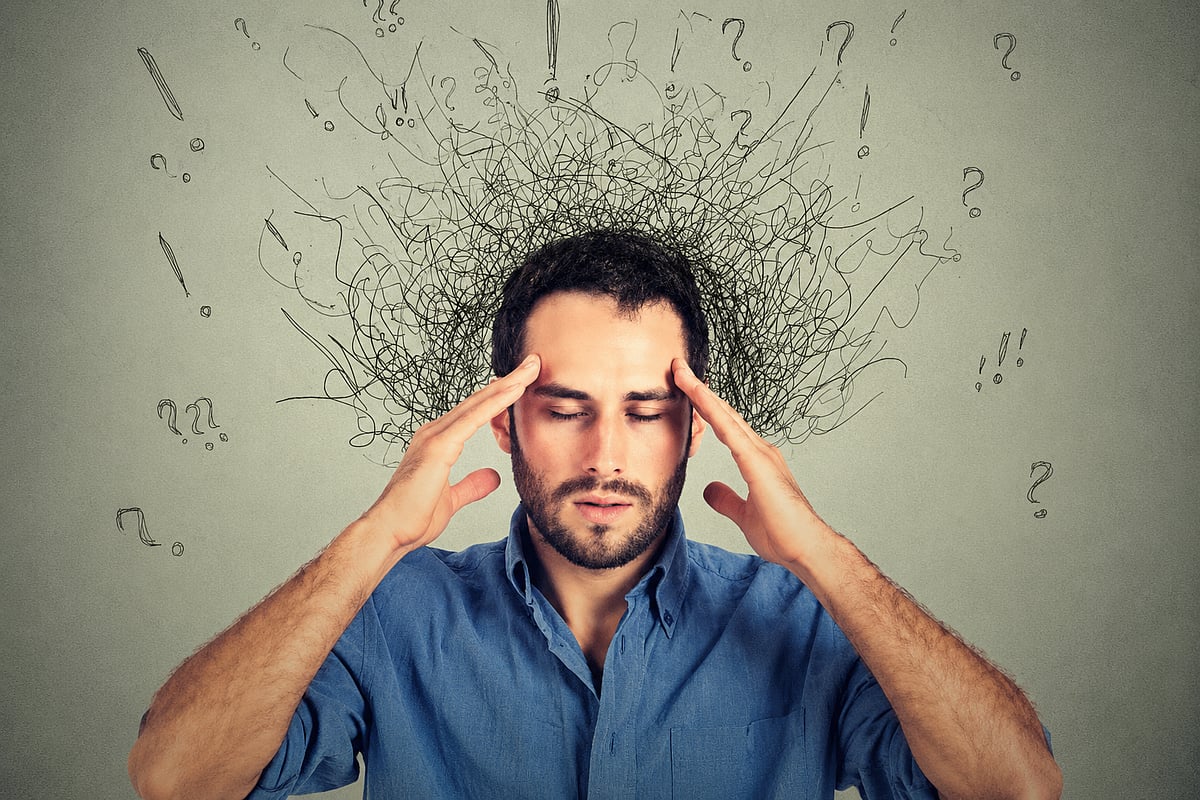
Phobias are more than just everyday fears; they are classified as anxiety disorders characterized by intense, irrational, and persistent fear of specific objects, animals, places, or situations. This fear can be so overwhelming that it significantly disrupts daily life, work, and social relationships. The root of phobias is often linked to the amygdala, a small part of the brain that acts as a danger detection center. When confronted with a phobic stimulus, the amygdala becomes overactive, triggering a 'fight or flight' response in the body. This leads to a cascade of physical symptoms, including rapid heart rate, accelerated breathing, trembling, sweating, dizziness, and nausea, demonstrating that the body experiences the fear as intensely as the mind. While some phobias may have genetic predispositions, many are learned through conditioning, such as traumatic childhood experiences like being trapped in an elevator, or even by observing others' fears or repeatedly encountering negative information. The world of phobias is vast, encompassing common fears like heights or spiders, as well as more unusual ones such as nomophobia (fear of being without a mobile phone) or trypophobia (disgust from clusters of small holes). Contrary to popular belief, phobias are not permanent. Modern medicine offers effective treatments, notably Cognitive Behavioral Therapy (CBT) and Exposure Therapy. Exposure Therapy gradually desensitizes individuals to their fears in a controlled, safe environment, while CBT helps reframe thought patterns. In some cases, medication prescribed by a specialist may also be beneficial. Ultimately, phobias are an exaggerated manifestation of the innate human survival instinct, and with professional help, individuals can overcome these invisible barriers to lead normal, fulfilling lives.
This article provides a clear, accessible explanation of phobias, framing them as an overactive danger response rather than a personal failing. It correctly identifies the amygdala's role in triggering physiological 'fight or flight' reactions, underscoring that phobias are genuine biological and psychological conditions. The piece also rightly emphasizes that phobias are often learned, not innate, suggesting that environmental and experiential factors play a significant role in their development. By highlighting effective therapeutic interventions like CBT and Exposure Therapy, the article empowers individuals by presenting phobias as manageable conditions. Looking ahead, understanding these anxiety mechanisms is crucial as societal pressures and the digital environment potentially amplify exposure to triggers, making accessible mental health resources even more vital in the coming decade.
AI-generated to prompt reflection — not editorial opinion, not advice, not a statement of fact. How this works.