Understanding Pyromania: The Compulsive Urge Behind Destructive Fires
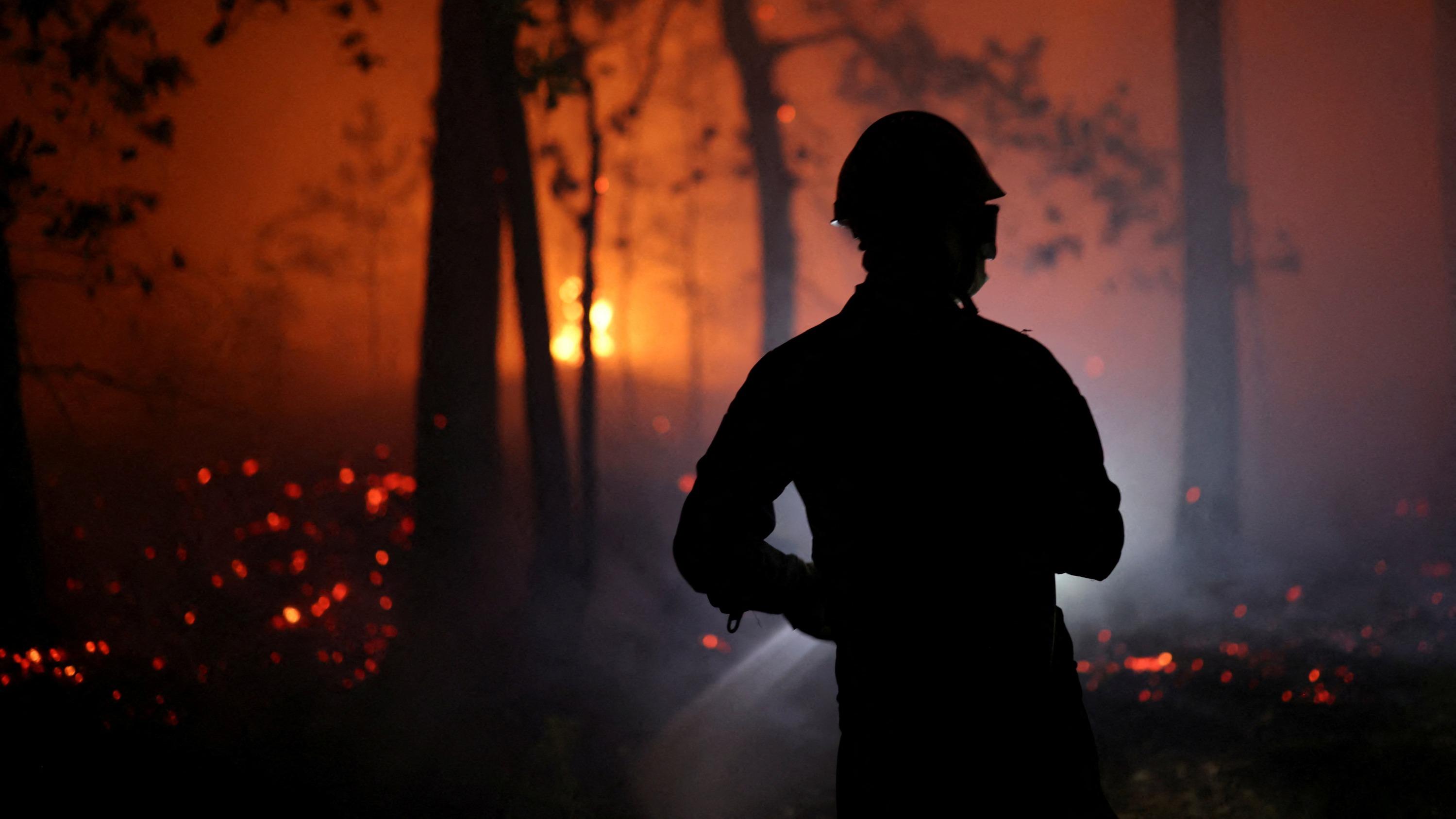
Pyromania, characterized by an uncontrollable urge to set fires, affects a small but significant portion of the population and arsonists. Individuals with pyromania experience intense excitement and gratification from starting fires, often without a clear motive beyond the act itself. This condition makes them difficult to identify and treat within the broader category of arsonists. The compulsive nature of their behavior stems from an inability to manage impulses, leading to destructive actions. Specialized psychological approaches are needed to address the underlying issues driving this behavior. Early detection and intervention are crucial for managing pyromania and preventing further damage. The challenge lies in distinguishing true pyromania from other motivations for arson, such as financial gain or revenge. Understanding the psychological profile of pyromaniacs is key to developing effective prevention and treatment strategies. This phenomenon highlights the complex interplay between psychological disorders and criminal behavior.
The phenomenon of pyromania, where individuals exhibit an uncontrollable impulse to set fires, presents a complex challenge for public safety and mental health services. While representing a small fraction of arson incidents, the compulsive nature of pyromania requires specialized diagnostic and therapeutic approaches distinct from other forms of arson. Understanding the neurological and psychological underpinnings of impulse control disorders is critical for developing effective interventions. Future strategies may involve leveraging advancements in behavioral neuroscience and AI-driven predictive analytics to identify at-risk individuals earlier, while ensuring robust ethical frameworks protect privacy and prevent mischaracterization. Addressing the societal factors that may exacerbate impulse control issues, alongside targeted clinical support, will be essential in mitigating the risks associated with such destructive behaviors in the coming decade.
AI-generated to prompt reflection — not editorial opinion, not advice, not a statement of fact. How this works.