Understanding Rule 167 vs. 267: Why Indian Parliament Debates Often Center on These Two Rules
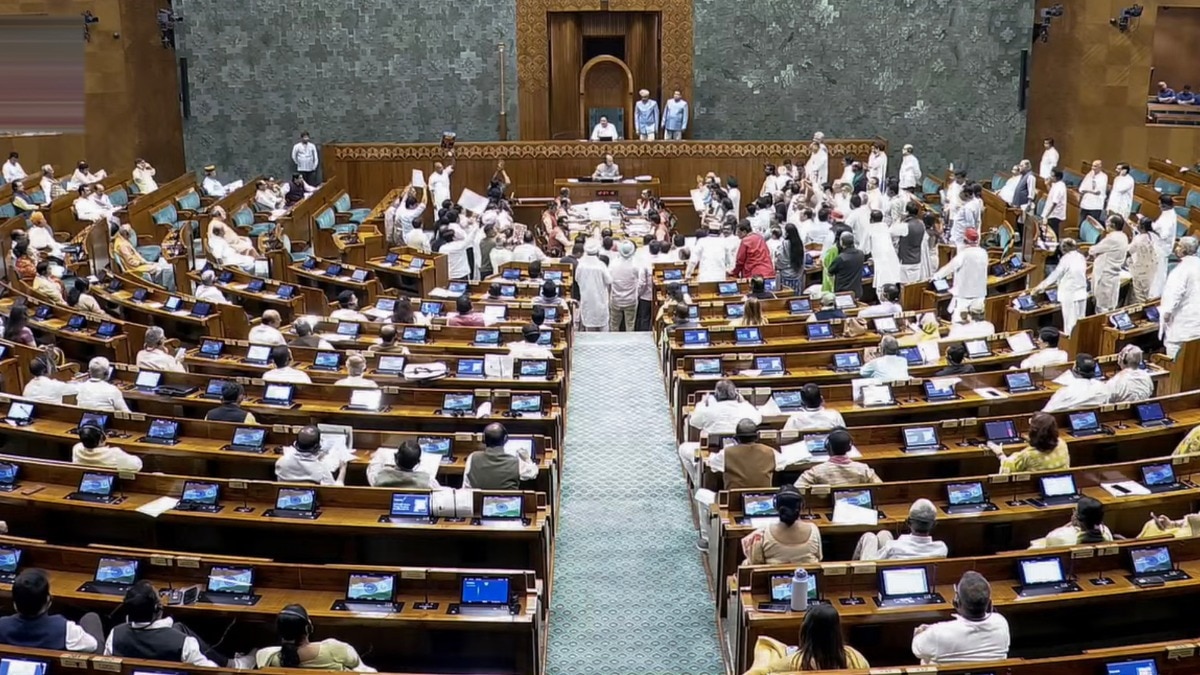
Debates within India's Rajya Sabha frequently involve disagreements between the ruling party and the opposition concerning which rule should govern discussions on various issues. Two key rules, 167 and 267, are central to these procedural disputes, though they differ significantly in their application, objectives, and outcomes. Both rules pertain to the conduct of discussions, but their distinct mechanisms lead to clashes over parliamentary procedure. Rule 167 typically allows for discussions on matters of public importance, often with a focus on seeking information or clarification from the government. It generally involves a more structured approach and may not necessarily lead to a formal vote or resolution. On the other hand, Rule 267 provides a more potent mechanism for the opposition, enabling them to set aside the scheduled business of the House to discuss a specific, urgent matter. This rule often carries the implication of a more serious debate, potentially leading to a division (vote) and influencing government policy or action. The opposition often prefers Rule 267 to raise critical issues that they believe require immediate attention and debate, while the government may favor Rule 167 to manage the flow of information and discussion. These differing preferences and interpretations of the rules highlight the inherent tension between the government's agenda and the opposition's role in holding it accountable within the parliamentary framework.
The recurring disputes over parliamentary rules like 167 and 267 in India's Rajya Sabha reflect a fundamental dynamic in bicameral legislatures globally. These rules are not merely procedural; they represent competing leverage points between the executive and legislative branches, and between the majority and minority parties. Rule 267, by allowing the suspension of regular business for an urgent matter, grants significant agenda-setting power to the opposition, a critical check on government dominance. Conversely, Rule 167 offers a more controlled environment for discussions, which the ruling party may prefer to manage legislative priorities and public messaging. The persistent contention over these rules underscores the ongoing negotiation of power and accountability within the parliamentary system. Future legislative reforms could aim to clarify these rules to reduce procedural stalemates, or perhaps institutionalize mechanisms for addressing urgent matters more efficiently, balancing the need for deliberation with the imperative of decisive governance in the face of evolving societal challenges.
AI-generated to prompt reflection — not editorial opinion, not advice, not a statement of fact. How this works.