Understanding Sleep Paralysis: Causes and When to Seek Medical Advice
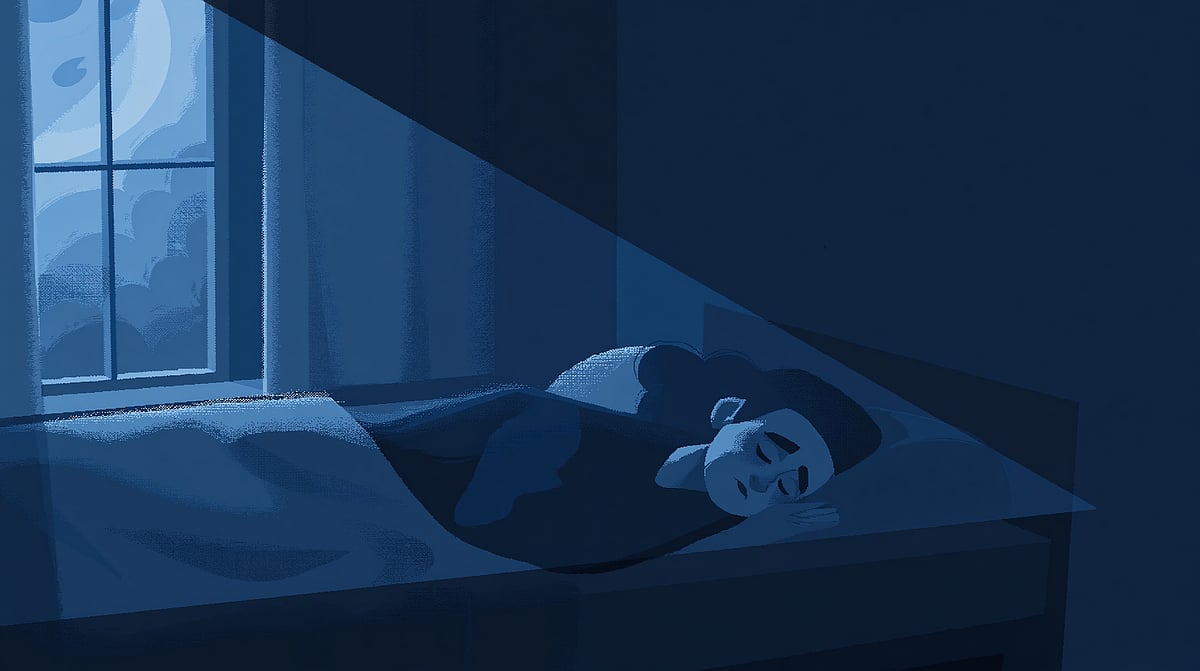
Sleep paralysis, known locally as 'bobay dhora', is a phenomenon where individuals experience terrifying dreams, often feeling as though they are being attacked and unable to scream or move. During these episodes, a person may feel like their throat is being squeezed, their limbs are stiff, and they can only manage to move slightly, leading to a groaning sound as they wake up. This condition typically resolves when someone nearby gently touches the affected individual. Sleep paralysis occurs due to disruptions in breathing during sleep. It can happen when the muscles at the back of the throat relax and obstruct the airway, or when the brain momentarily pauses the signals that control breathing. While usually not requiring treatment, persistent or frequent occurrences of sleep paralysis warrant consultation with a medical professional. The article also briefly mentions a device that can interpret thoughts, though details are not provided.
This report describes sleep paralysis, a common physiological event linked to sleep cycle transitions. The explanation focuses on the physical mechanisms, such as airway obstruction or temporary cessation of respiratory signals from the brain, which are standard in sleep science. The advice to seek medical help for frequent episodes aligns with public health recommendations for sleep disorders. The mention of a thought-interpreting device appears tangential and lacks context, suggesting it might be a separate news item or a speculative addition. From a systems perspective, understanding sleep disturbances is crucial for overall health, as they can impact cognitive function and well-being. Future research may explore the neurological underpinnings and potential interventions for sleep paralysis, particularly in relation to stress and mental health.
AI-generated to prompt reflection — not editorial opinion, not advice, not a statement of fact. How this works.
