Understanding Surround Sound Speaker Channel Numbers for Home Theaters
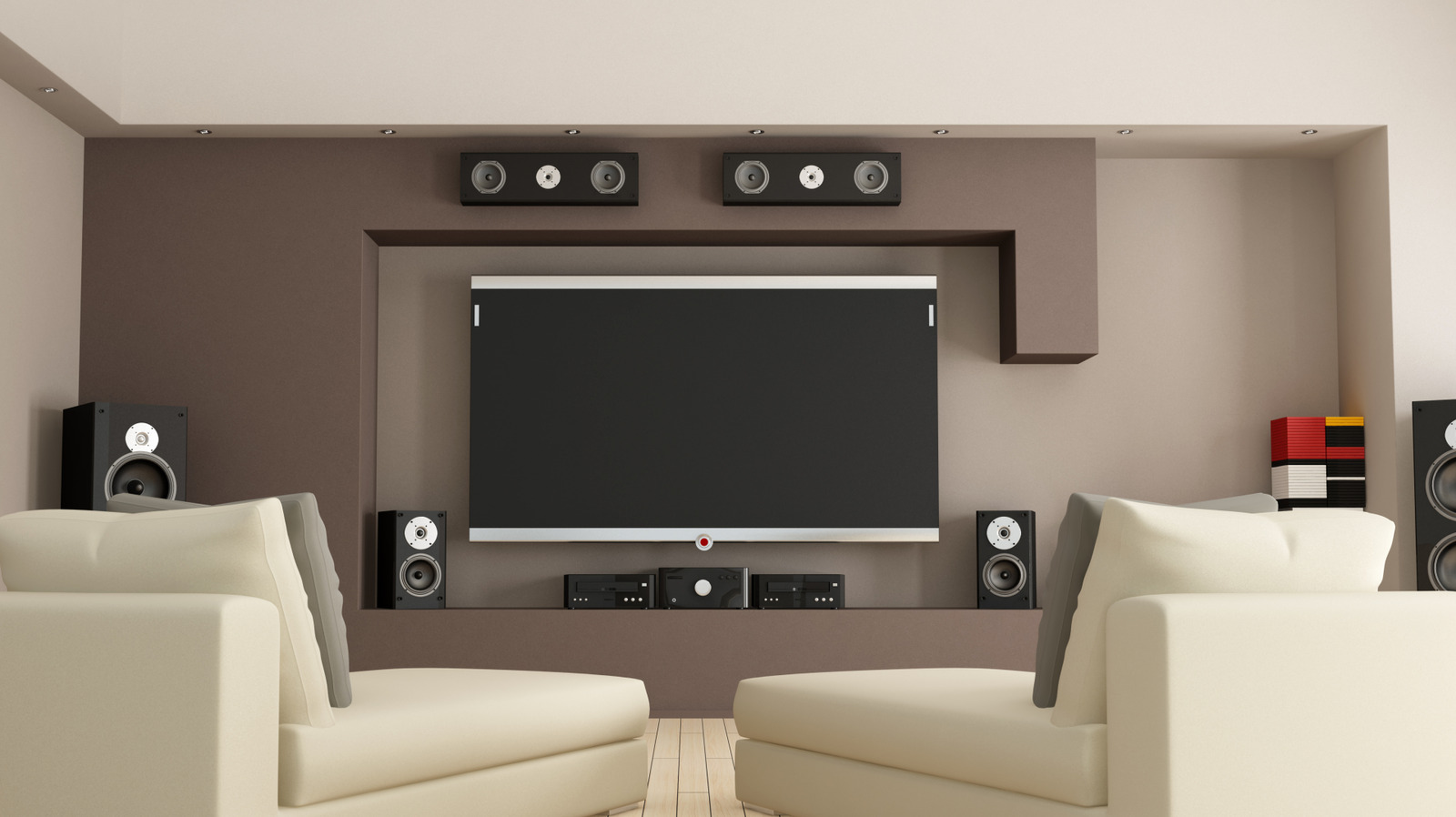
When building a home theater system, understanding the numbers associated with surround sound speaker channels is crucial. These numbers indicate the configuration of speakers used to create an immersive audio experience. The first digit typically represents the number of main channels, which include left, center, right, and surround speakers. The second digit, often a .1, signifies the presence of a subwoofer channel dedicated to low-frequency effects. For example, a 5.1 system includes five main speakers (front left, front right, center, surround left, surround right) and one subwoofer. Higher numbers, such as 7.1 or 9.1, denote additional surround speakers placed at the rear or sides of the listening area, providing a more enveloping soundstage. However, it's important to note that a higher channel count does not automatically guarantee superior audio quality. The quality of the speakers, their placement, and the acoustics of the room play significant roles in the overall sound experience. Therefore, while more channels can offer greater spatial definition, careful consideration of these other factors is essential for an optimal home theater setup. Ultimately, the best configuration depends on the room size, budget, and personal preference for audio immersion.
The evolution of home theater audio systems highlights a consumer trend towards increasingly complex configurations, driven by technological advancements and marketing. While higher channel counts like 7.1 or 9.1 offer theoretical improvements in soundstage dimensionality, the practical impact is contingent on numerous variables. These include room acoustics, speaker quality, precise calibration, and the source material's audio mix. The industry faces a recurring challenge in balancing the pursuit of technical specifications with the delivery of genuinely superior listening experiences. Future audio technologies, particularly those leveraging object-based sound and AI-driven room correction, may shift the focus from raw channel numbers to more adaptive and personalized sound rendering, potentially simplifying system design while enhancing immersion.
AI-generated to prompt reflection — not editorial opinion, not advice, not a statement of fact. How this works.