Understanding the Body's Autonomy and Loss of Control
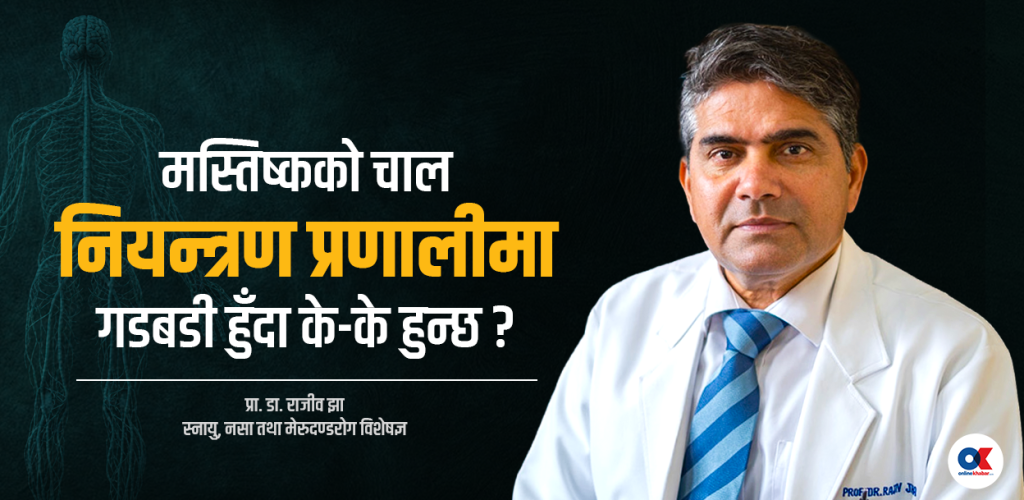
The human body exhibits a fascinating duality, functioning autonomously while also being susceptible to external or internal forces that can seize control. This complex interplay between self-regulation and external influence raises profound questions about agency and the mechanisms governing our physical being.
Interventions such as physiotherapy, occupational rehabilitation, speech therapy, and consistent exercise are recognized as effective methods for enhancing an individual's quality of life. These therapeutic approaches aim to restore or improve bodily functions, thereby mitigating the impact of conditions that may compromise physical autonomy or control.
The human body's capacity for autonomous function alongside its vulnerability to external control highlights a critical area for medical and neurological research. Understanding the precise biological and neurological pathways that govern self-regulation and the mechanisms by which control can be compromised is essential for developing more effective therapeutic strategies. The efficacy of physiotherapy, occupational rehabilitation, speech therapy, and exercise suggests that targeted interventions can indeed restore a degree of autonomy and improve patient outcomes, underscoring the importance of continued investment in these fields.
AI-generated to prompt reflection — not editorial opinion, not advice, not a statement of fact. How this works.