Understanding the Causes of Melasma
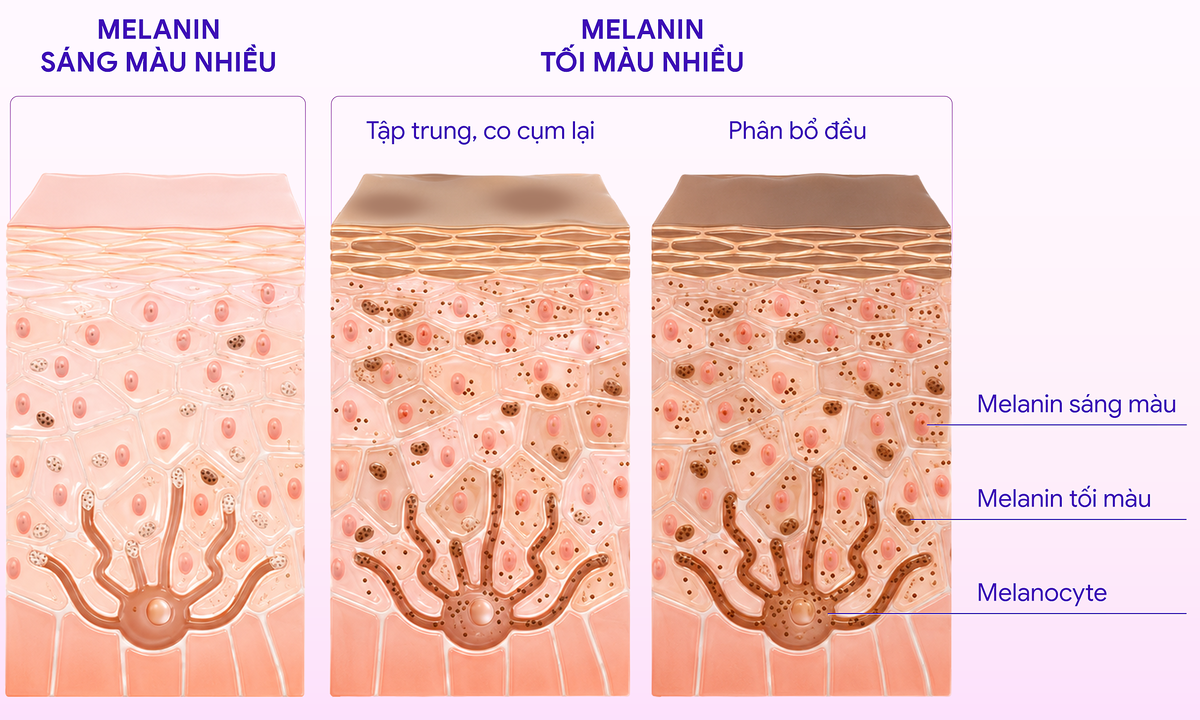
Melasma is a skin condition that arises from disruptions in melanin production and distribution. These disruptions can be triggered by several factors. Ultraviolet (UV) radiation from the sun is a primary cause, stimulating melanocytes to produce more pigment. Hormonal changes, often experienced during pregnancy or due to endocrine imbalances, can also lead to melasma. Furthermore, inflammatory processes within the skin, such as those following acne or other injuries, can result in post-inflammatory hyperpigmentation, a form of melasma. Lastly, the natural aging process can contribute to the development of melasma as skin functions change over time. Addressing these underlying causes is crucial for managing and treating the condition.
Melasma's development highlights the skin's complex response to environmental and internal stimuli. The interplay of UV exposure, hormonal fluctuations, inflammation, and aging points to a multifaceted etiology. From a systemic perspective, this condition underscores the importance of comprehensive dermatological care that considers both external protective measures, like sun avoidance, and internal health factors, such as endocrine balance. Future dermatological approaches may integrate personalized treatments that address these specific triggers more effectively, potentially leveraging advancements in understanding cellular signaling pathways and pigment regulation to mitigate melasma's impact over the next decade.
AI-generated to prompt reflection — not editorial opinion, not advice, not a statement of fact. How this works.