Understanding the Characteristics of 5 Computer Monitor Panel Types
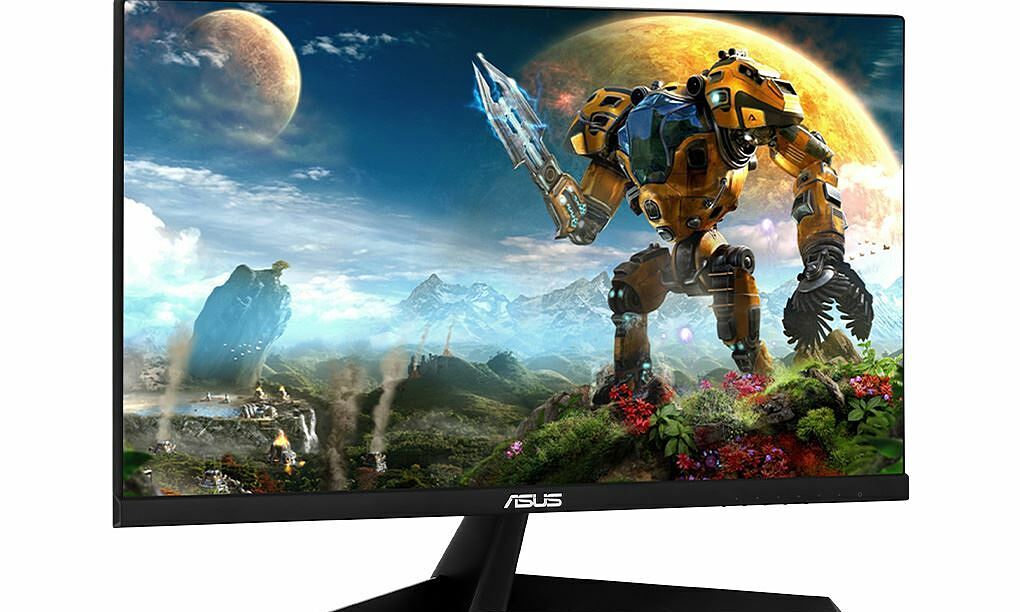
Computer monitors utilize various panel technologies, each offering distinct advantages for different user needs. IPS (In-Plane Switching) panels are characterized by their wide viewing angles, making them suitable for basic study and work tasks where color accuracy and consistent visuals from various positions are important. In contrast, VA (Vertical Alignment) panels excel in providing smooth motion due to their high contrast ratios and high refresh rates, which are beneficial for gaming and multimedia consumption. The article aims to detail the specific features of five common monitor panel types, helping consumers make informed decisions based on their intended usage. Understanding these differences is crucial for selecting a monitor that best aligns with performance expectations and budget considerations. The choice of panel technology significantly impacts visual experience, from color reproduction to response times and viewing comfort. Each type represents a trade-off in performance and cost, catering to a diverse market of users.
The proliferation of diverse display panel technologies, such as IPS and VA, reflects ongoing innovation driven by market segmentation and evolving consumer demands for specific visual experiences. While IPS panels prioritize color fidelity and viewing angles for productivity, VA panels emphasize motion smoothness and contrast for entertainment. This technological divergence highlights a system where manufacturers cater to specialized use cases, creating a competitive landscape that necessitates clear consumer education. Future developments may see further integration of these characteristics or the emergence of new panel types that offer a more balanced performance profile, potentially impacting the long-term value proposition of current display standards and influencing the design of immersive computing environments.
AI-generated to prompt reflection — not editorial opinion, not advice, not a statement of fact. How this works.