Understanding the Difference Between Waterfalls and Cascades
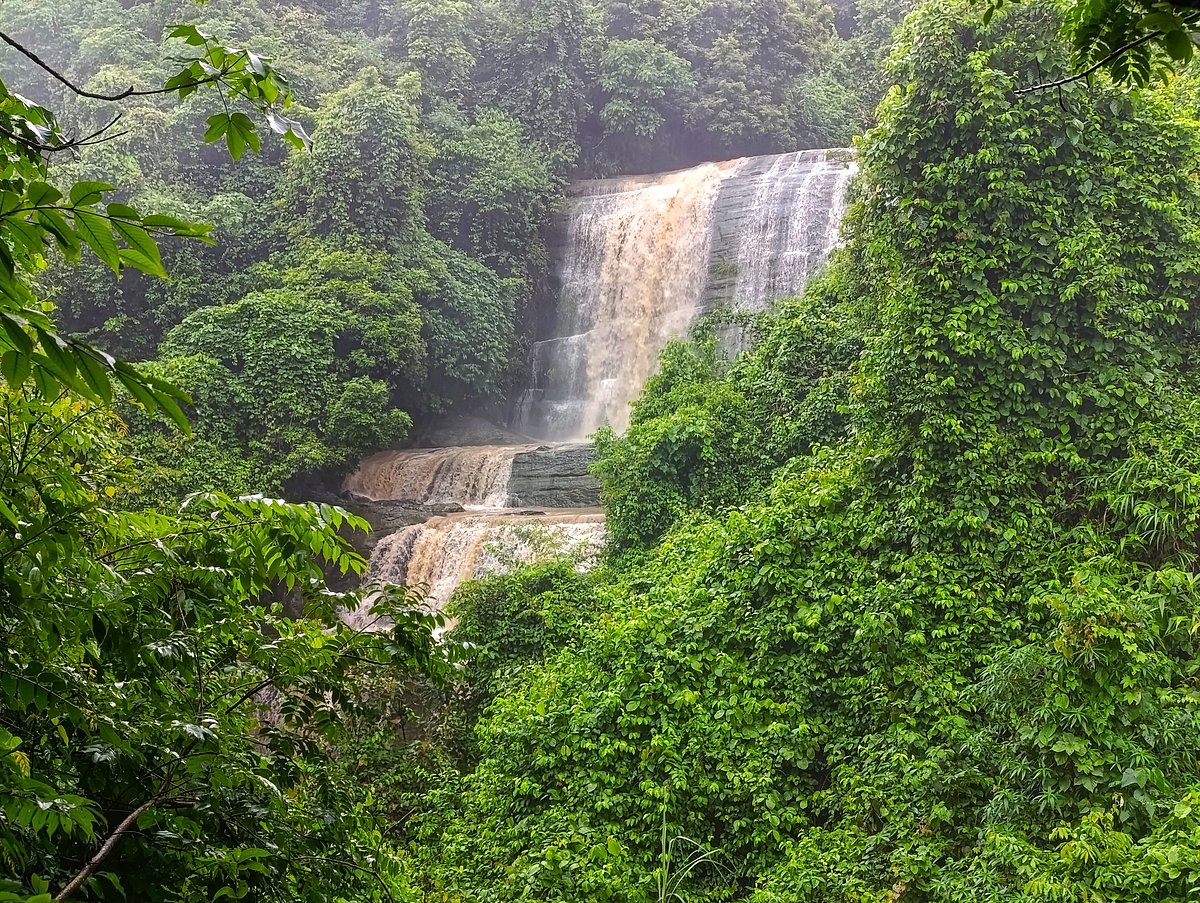
Waterfalls and cascades are not the same; they differ distinctly in their formation, source, and flow patterns. In Bangladesh's hilly regions, the term 'jharna' (waterfall/cascade) is most commonly heard. Popular tourist destinations like Khoiyachhara, Ham Ham, Ruposi, and Shuholong are all referred to as 'jharna'. While the term 'jharna' is frequently used for many natural water features in Bangladesh's mountainous areas, there are specific distinctions between a true waterfall and a cascade. These differences lie in the geological structure, the origin of the water, and the manner in which the water descends. Recognizing these variations can enhance the appreciation of these natural wonders.
The common usage of 'jharna' in Bangladesh for various water features highlights a potential linguistic simplification of natural phenomena. While local terminology often serves cultural and practical purposes, a more precise understanding of geological formations like waterfalls and cascades can foster greater scientific literacy and appreciation for environmental diversity. This distinction may also have implications for ecotourism and conservation efforts, as different hydrological features can support unique ecosystems. Understanding these differences can inform more targeted management strategies for preserving the natural beauty and ecological integrity of these sites for future generations.
AI-generated to prompt reflection — not editorial opinion, not advice, not a statement of fact. How this works.