Understanding the Difference: 'Zero Alcohol' vs. 'Non-Alcoholic' Beer in Brazil
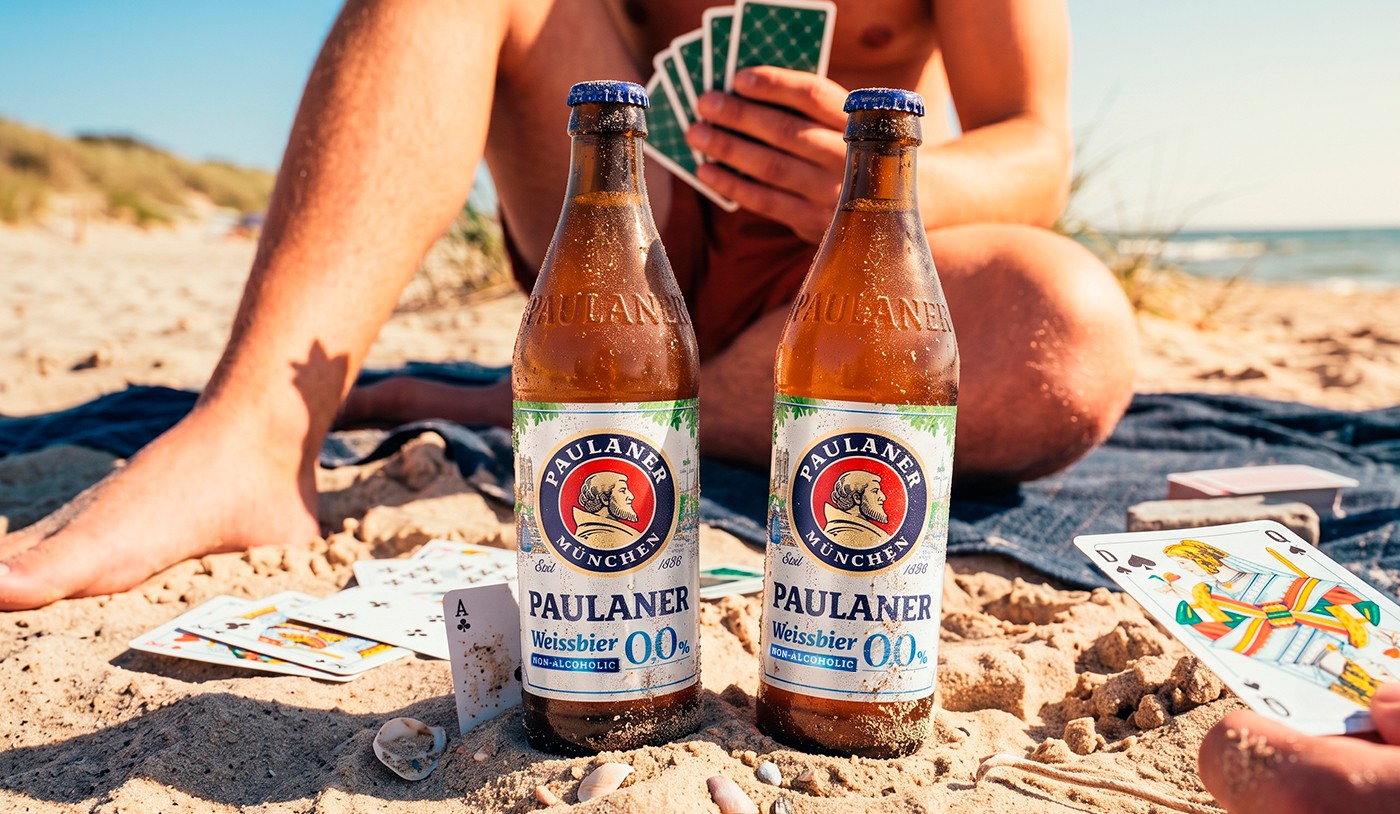
Brazilian legislation distinguishes between 'zero alcohol' and 'non-alcoholic' beer, despite their similar names. According to normative instruction nº 65 of 2019, 'zero alcohol' beers can contain up to 0.05% alcohol, while 'non-alcoholic' beers are permitted to have up to 0.5% alcohol. For context, a standard beer typically contains around 5% alcohol.
The consumption of low or no-alcohol beers is a growing trend in Brazil, driven by health consciousness, responsible driving, and dietary restrictions. The 2025 Beer Yearbook reported a significant 537% increase in the production of non-alcoholic or de-alcoholized beers (≤ 0.5% alcohol) between 2023 and 2024, rising from 119 million liters to 757 million liters. However, these beverages still represent a small fraction of the national market, accounting for only 1.27% of total beer production according to the 2026 Beer Yearbook.
The history of non-alcoholic beer dates back to the U.S. Prohibition era in 1919, when the Volstead Act banned beverages with over 0.5% alcohol. Intentional development of 0.0% alcohol beers, focusing on total alcohol removal while preserving sensory qualities, began in the 1970s. The production process for both traditional and non-alcoholic beers uses the same core ingredients: water, malt, hops, and yeast. The key difference lies in the de-alcoholization step after fermentation, which can be achieved through physical methods like vacuum distillation or biological methods using specialized yeasts to reduce alcohol content. Several quality non-alcoholic and zero-alcohol options are available in Brazil, including Way Beer Time Out (0.3% alcohol) and Paulaner Weissbier (non-alcoholic), known for their artisanal quality and sensory profiles.
The distinction between 'zero alcohol' and 'non-alcoholic' beer in Brazil, while legally defined, highlights a common challenge in consumer product labeling where precise terminology can impact perception and choice. The significant production growth in this segment indicates a market response to evolving consumer preferences for health-conscious and responsible consumption options. This trend also reflects a broader shift towards functional beverages and a re-evaluation of traditional product categories in light of technological advancements in food science and production. As de-alcoholization techniques improve, the market may see further innovation, potentially blurring the lines between traditional and low-alcohol offerings and prompting ongoing regulatory review to ensure clarity and consumer protection in a dynamic marketplace.
AI-generated to prompt reflection — not editorial opinion, not advice, not a statement of fact. How this works.