Understanding the 'Machosfera': Online Hate and its Impact on Teenagers
A recent Globo Repórter investigation delves into the 'machosfera,' an online ecosystem of communities and social media profiles that promote misogynistic rhetoric, advocate for female submission, and champion a masculinity centered on domination and violence. This movement, also referred to as 'red pill' ideology, suggests that men are losing ground to women and calls for a return to perceived male superiority. Content promoting these views, including videos, memes, and courses, has garnered billions of views across various platforms.
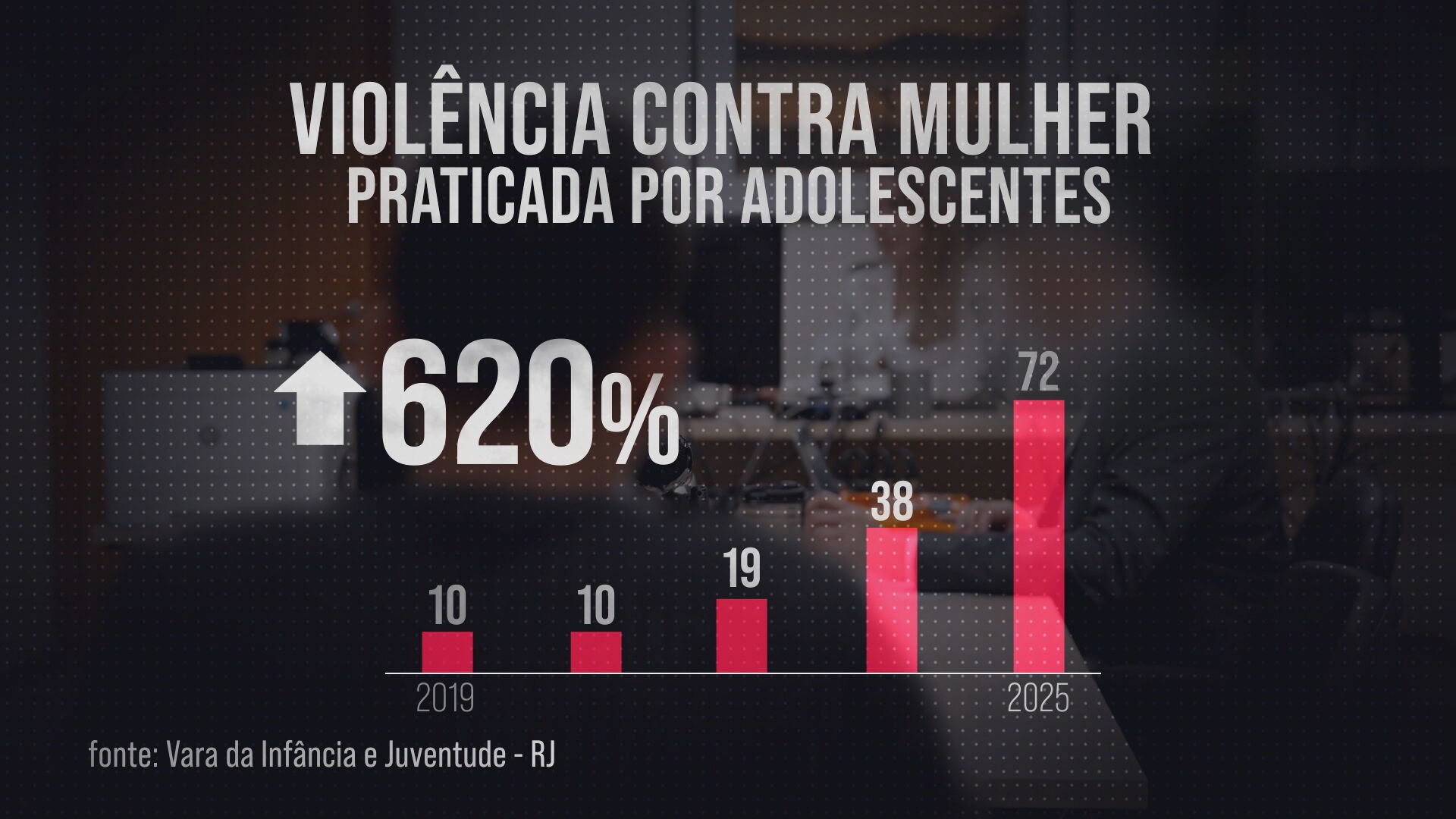
The report highlights a concerning rise in gender-based violence among adolescents in Rio de Janeiro. An unprecedented study from the Juvenile Court of Rio de Janeiro revealed a 600% increase in cases of gender violence committed by teenagers between 2019 and 2025. Alarmingly, the age of perpetrators has decreased, with cases involving boys as young as 12 and 13 becoming more common. Consequently, protective measures, typically applied to adults under the Maria da Penha Law, are increasingly being used for adolescent offenders.
Research from the Federal University of Rio de Janeiro analyzed over 76,000 videos from 7,000 channels, accumulating more than 4 billion views and 23 million comments. This study found that a significant portion of this content trivializes violence against women, encourages misogyny, and has transformed hate speech into a lucrative market. Monetization benefits both content creators and digital platforms, fueled by algorithms and high user engagement. In response, initiatives in schools are emerging, with students forming committees to combat misogyny and explore alternative, respectful forms of masculinity. Experts emphasize the critical role of open dialogue at home and in educational settings to prevent teenagers from being influenced by harmful online content and to foster healthier relationships.
The 'machosfera' phenomenon illustrates how online platforms can amplify and monetize extremist ideologies, particularly those targeting impressionable youth. The economic incentives provided by digital platforms, driven by engagement algorithms, inadvertently create a market for hate speech and misogyny. This raises critical questions about platform responsibility and the effectiveness of content moderation in combating the spread of harmful narratives. The significant rise in adolescent-perpetrated gender violence, coupled with the increasing application of adult protective laws to minors, suggests a systemic failure in addressing the root causes of this behavior. Proactive educational interventions and fostering critical media literacy are essential to equip young people with the tools to discern and resist such influences, promoting healthier societal norms and interpersonal dynamics in the long term.
AI-generated to prompt reflection — not editorial opinion, not advice, not a statement of fact. How this works.