Understanding the Principles of Quantum Computing
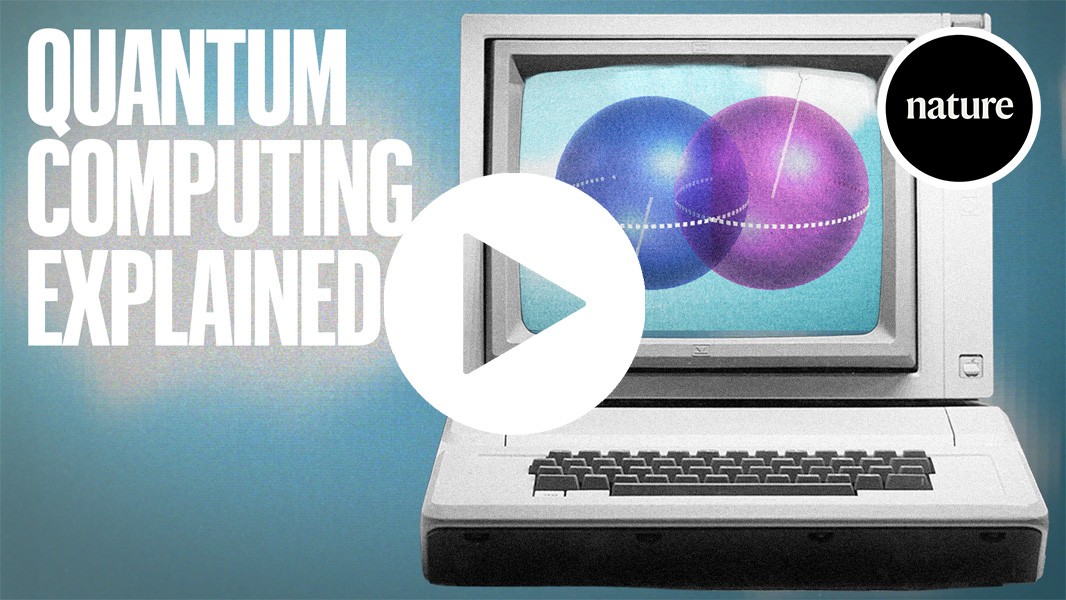
Quantum computers operate on principles fundamentally different from classical computers. Instead of using bits that represent either a 0 or a 1, quantum computers utilize quantum bits, or qubits. Qubits can exist in a superposition of both 0 and 1 simultaneously, allowing them to hold significantly more information than classical bits. This property of superposition is a core concept that enables quantum computers to explore a vast number of possibilities concurrently.
Another key quantum phenomenon exploited by these machines is entanglement. When qubits are entangled, they become interconnected in such a way that the state of one qubit is directly correlated with the state of another, regardless of the physical distance separating them. This interconnectedness allows for complex correlations and computations that are impossible with classical systems. By leveraging superposition and entanglement, quantum computers can perform certain types of calculations, such as factoring large numbers or simulating complex molecular interactions, exponentially faster than even the most powerful supercomputers today. However, building and maintaining stable qubits is a significant engineering challenge, requiring extremely low temperatures and isolation from environmental interference.
Quantum computing represents a paradigm shift in computational power, moving beyond the binary limitations of classical systems. The ability of qubits to exist in superposition and become entangled offers a pathway to solving problems currently intractable for even the most advanced supercomputers. This technological leap has profound implications for fields ranging from drug discovery and materials science to cryptography and artificial intelligence. As the technology matures, understanding its potential and limitations will be crucial for navigating the evolving landscape of scientific research and technological development. The development of quantum computing also raises important questions about the future of cybersecurity, necessitating proactive strategies to address potential vulnerabilities to quantum algorithms.
AI-generated to prompt reflection — not editorial opinion, not advice, not a statement of fact. How this works.