Understanding the Profitability of Alcohol Shops in India
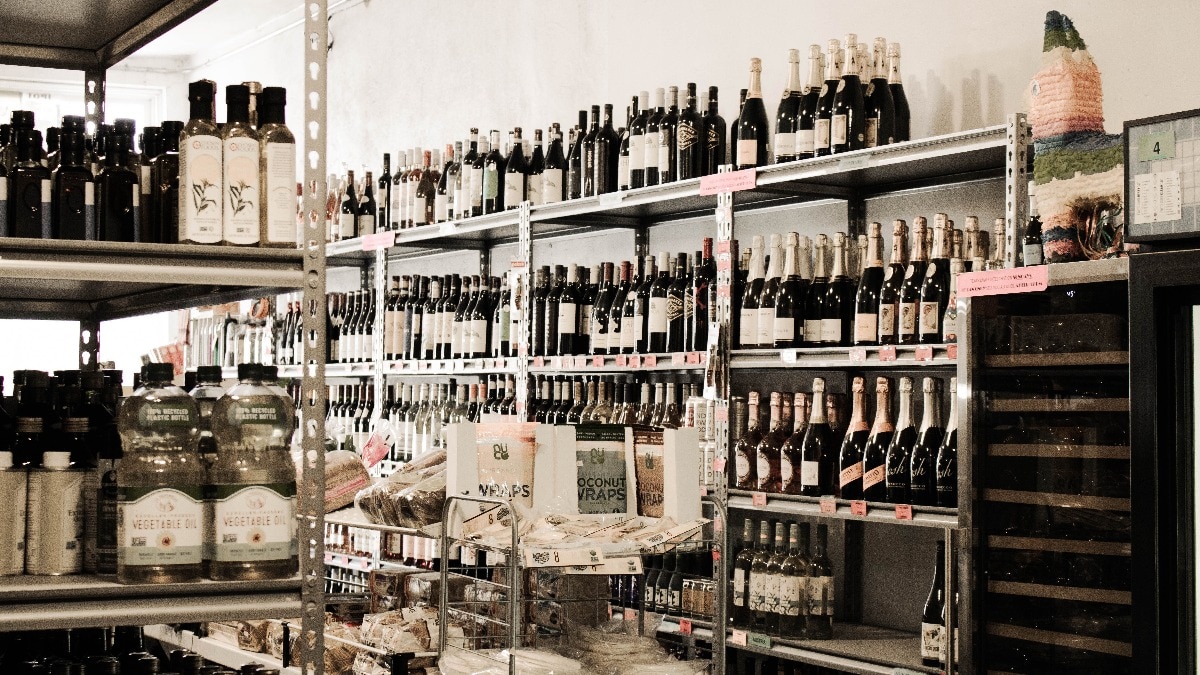
There is a common perception in India that owners of alcohol shops earn substantial profits. However, the reality is more complex. The allocation of liquor stores is managed by the government, which also sets fixed profit margins and rates for all types of alcoholic beverages. This regulatory framework significantly influences the actual earnings of these businesses. The article aims to delve into the financial mathematics behind operating an alcohol shop, exploring how these government regulations shape the profitability for shop owners. It suggests that the widely held belief of 'bumper earnings' may not accurately reflect the operational realities and profit structures dictated by the state's policies.
The Indian government's regulation of alcohol sales, including store allocation and profit margin setting, indicates a policy approach aimed at controlling the sector and potentially generating revenue. This system creates a predictable, albeit capped, income stream for license holders, contrasting with the high-risk, high-reward models seen in less regulated markets. The government's involvement suggests a balancing act between public health concerns, revenue generation, and economic opportunity for businesses. Future market dynamics may involve shifts towards greater private sector autonomy or continued state control, depending on evolving social attitudes and fiscal priorities over the next decade.
AI-generated to prompt reflection — not editorial opinion, not advice, not a statement of fact. How this works.