Understanding the Revised Personal Information Protection Act: Key Changes and Concerns
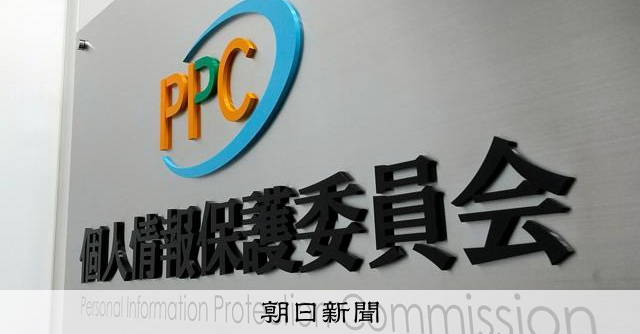
Japan has enacted a significant amendment to its Personal Information Protection Act (PIPA), introducing new regulations aimed at strengthening data privacy and security. The revised law, which came into effect on April 1, 2023, introduces several key changes, including the establishment of a Personal Information Protection Commission (PIPC) with enhanced oversight capabilities. This commission will be responsible for enforcing the new rules and handling complaints related to data breaches and misuse of personal information.
One of the most notable changes is the introduction of a mandatory breach notification requirement. Companies will now be obligated to report data breaches to the PIPC and affected individuals without delay. The law also expands the scope of personal information to include data that can identify an individual when combined with other information, even if it's not directly identifiable on its own. Furthermore, the revised PIPA clarifies rules regarding the transfer of personal data to overseas recipients, requiring adequate protective measures to be in place. These amendments are intended to align Japan's data protection standards with international best practices, such as the EU's General Data Protection Regulation (GDPR), and to build greater trust in the digital economy.
The revised Personal Information Protection Act reflects a global trend towards enhanced data privacy regulations, driven by increasing digitalization and growing public awareness of data security risks. The establishment of a dedicated commission with enforcement powers signifies a move towards more robust governance of personal data. Mandatory breach notifications, while potentially burdensome for businesses, are crucial for transparency and empowering individuals to take protective measures. The expanded definition of personal information and stricter rules on international data transfers aim to create a more secure and trustworthy environment for data handling. This legislative update is likely to influence how businesses operate and manage data, potentially leading to increased compliance costs but also fostering greater accountability and consumer confidence in the long term.
AI-generated to prompt reflection — not editorial opinion, not advice, not a statement of fact. How this works.