Understanding the Roles Within the Tour de France Peloton
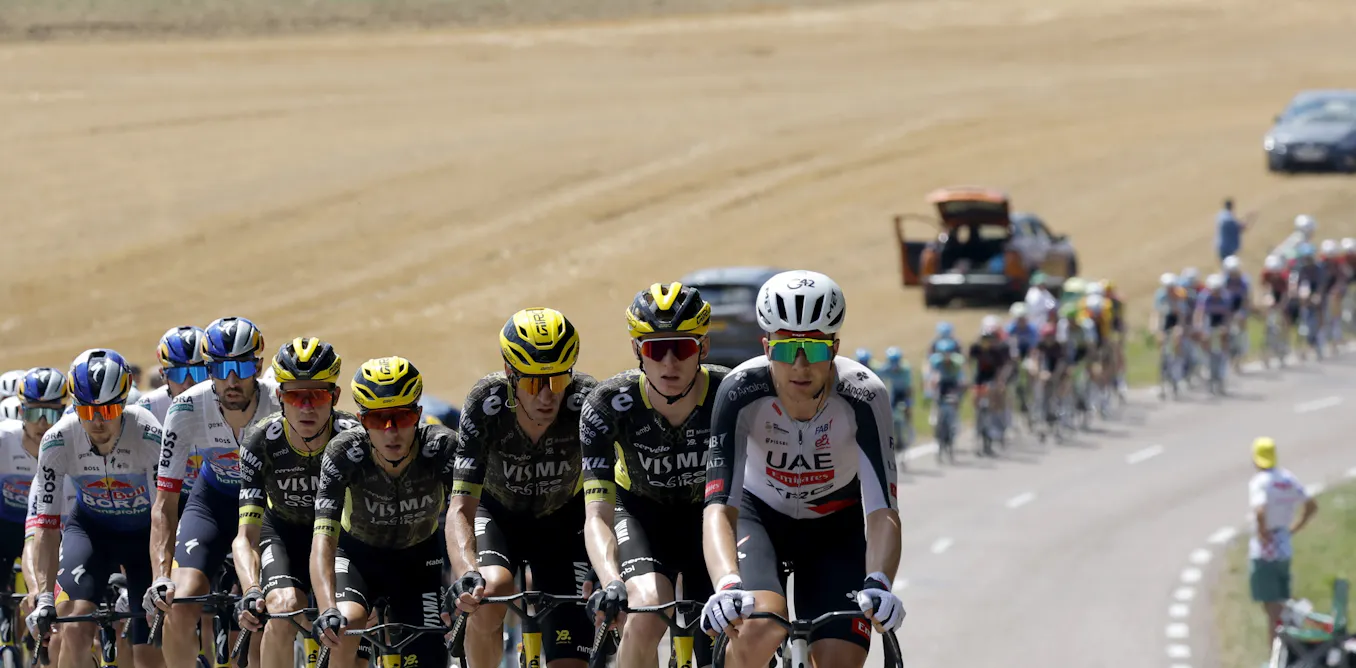
The Tour de France is more than just a test of individual speed; it is a complex competition involving intricate team dynamics, political maneuvering, and strategic priorities. The peloton, the main group of cyclists, comprises various specialists, each with distinct roles crucial to their team's success. These roles include domestiques, who support their team leaders; sprinters, who excel in flat, high-speed finishes; and climbers, who dominate mountainous terrain. Understanding these different archetypes and their functions is essential to grasping the multifaceted nature of the race beyond mere physical prowess. The strategic deployment of these riders dictates team tactics, influencing outcomes in different stages and the overall classification.
The Tour de France exemplifies a highly specialized ecosystem where individual athletic achievement is deeply intertwined with complex team strategies and resource allocation. This structure highlights how collective effort, enabled by distinct roles like domestiques, sprinters, and climbers, is often more critical than raw individual talent. The interplay of these specialized functions within a competitive environment underscores the importance of organizational design and incentive alignment in achieving ambitious goals. Future sporting and business models may draw lessons from such systems regarding the optimal balance between individual contribution and coordinated team action, particularly in high-stakes, multi-stage endeavors.
AI-generated to prompt reflection — not editorial opinion, not advice, not a statement of fact. How this works.