Understanding the Term 'Weaponized Vehicle' Used by US Federal Authorities
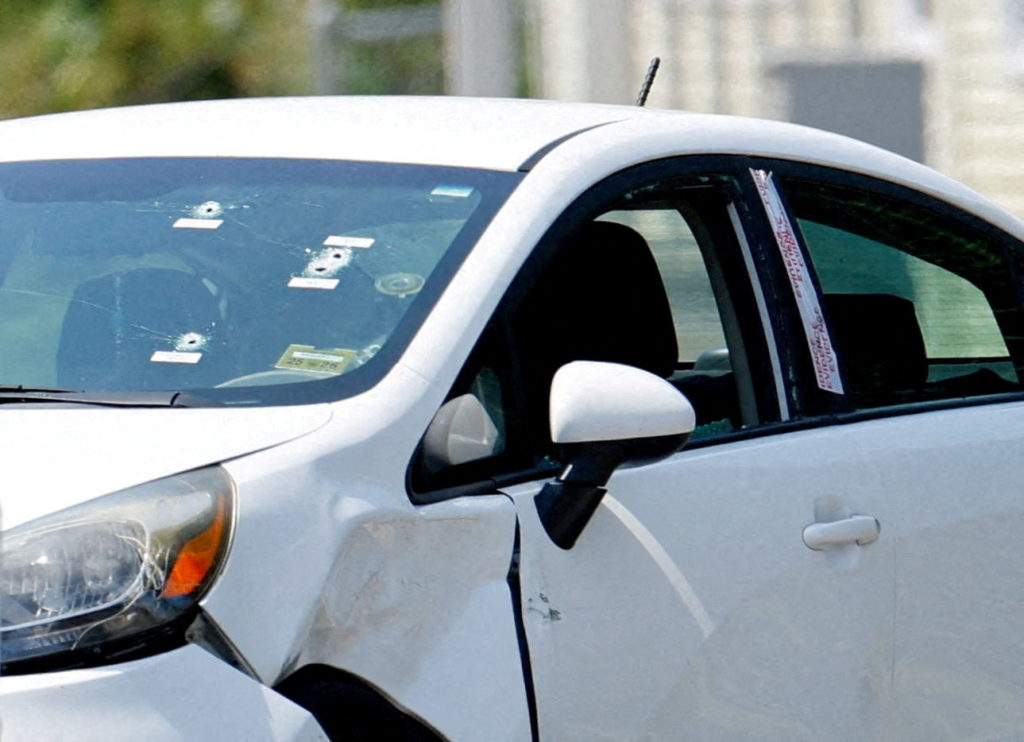
The term 'weaponized vehicle' has become frequently used by federal officials during press conferences and official statements, particularly during the Trump administration's immigration enforcement efforts. This terminology signifies a shift in how authorities are describing vehicles involved in border security and immigration-related incidents. The increasing prevalence of this phrase suggests a focus on the potential for vehicles to be used as instruments of harm or obstruction in these contexts. Federal agencies have adopted this language to convey the seriousness of certain encounters and to highlight perceived threats. The consistent use of 'weaponized vehicle' by officials indicates a deliberate choice to frame these situations in a particular manner. This approach aims to underscore the risks associated with unauthorized border crossings and related activities. The adoption of such terminology reflects the evolving strategies and communication tactics employed by federal authorities in managing immigration and border control.
The repeated use of the term 'weaponized vehicle' by federal authorities, especially during the Trump administration's immigration initiatives, suggests a strategic communication approach. This framing may aim to heighten public perception of danger and justify stringent enforcement measures by portraying vehicles as inherently threatening tools. Such language can influence public opinion and policy debates by framing complex border dynamics through a lens of immediate physical threat. Understanding this terminology is crucial for discerning the underlying policy objectives and the potential for such language to shape public discourse around immigration and national security.
AI-generated to prompt reflection — not editorial opinion, not advice, not a statement of fact. How this works.