Understanding Triglycerides and Cholesterol for Heart Health
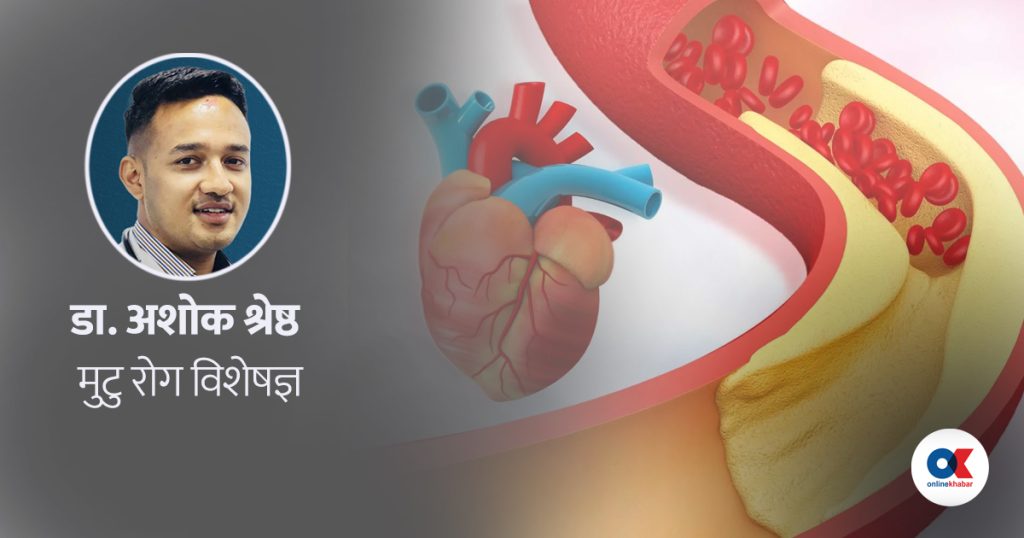
The human body functions like a well-oiled machine, requiring proper diet, exercise, and rest. In today's fast-paced world, heart disease has become a major health concern, with young people in Nepal increasingly affected by heart attacks and strokes. Many individuals believe that controlling blood pressure and cholesterol is sufficient for heart health. However, this perspective often overlooks the significant role of triglycerides. Triglycerides are a type of fat found in the blood, and high levels can contribute to heart disease. Understanding the difference between triglycerides and cholesterol, and managing both, is crucial for maintaining cardiovascular well-being. This distinction is vital for developing effective strategies to prevent and manage heart conditions, especially in a population facing rising rates of cardiac events.
The rising incidence of heart disease among younger populations in Nepal highlights a critical public health challenge. While awareness of blood pressure and cholesterol management is present, the emphasis on triglycerides appears less prominent. This suggests a potential gap in public health messaging and education regarding comprehensive lipid management. Future interventions should focus on educating the public about the distinct roles of different fats in cardiovascular health and promoting holistic lifestyle changes. Addressing this knowledge deficit could be key to mitigating future cardiac events and improving long-term population health outcomes in the face of evolving lifestyle pressures.
AI-generated to prompt reflection — not editorial opinion, not advice, not a statement of fact. How this works.