Understanding Tumor Heterogeneity: Development, Mechanisms, and Treatment Strategies
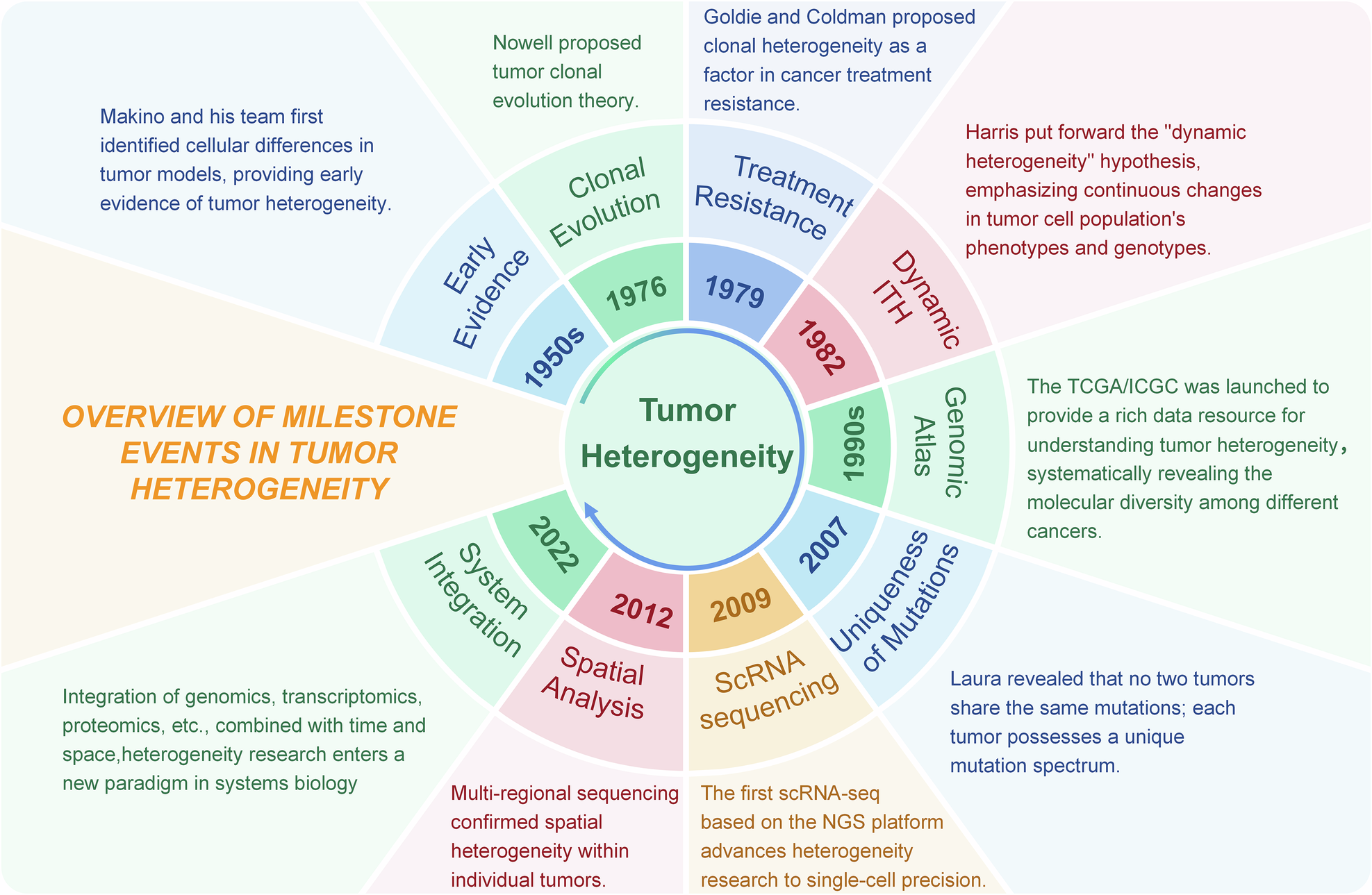
Tumor heterogeneity refers to the significant variations observed within cancer cells in a single tumor. These differences can manifest in genetic, epigenetic, and phenotypic characteristics, leading to distinct subpopulations of cancer cells. This diversity arises from the accumulation of genetic mutations and epigenetic alterations over time, driven by the tumor microenvironment and evolutionary pressures. The development of heterogeneity is a complex process influenced by factors such as clonal evolution, where different cell populations expand and compete. Understanding these underlying mechanisms is crucial for effective cancer treatment. Tumor heterogeneity poses a significant challenge to therapies, as a subpopulation of cells may be resistant to a particular drug, leading to relapse. Therapeutic implications involve the need for personalized treatment strategies that can target multiple cell populations or adapt to evolving tumor characteristics. Research is ongoing to develop novel approaches that can overcome this challenge and improve patient outcomes.
Tumor heterogeneity represents a fundamental challenge in oncology, underscoring the dynamic and adaptive nature of cancer. The inherent diversity within tumors complicates the efficacy of conventional, uniform treatment regimens. This complexity necessitates a shift towards more adaptive, personalized therapeutic strategies that can account for evolving cellular populations and their resistance mechanisms. Future advancements will likely involve integrating multi-omics data to comprehensively map tumor landscapes and developing combination therapies or sequential treatments designed to target dominant and emergent subclones. The long-term implication is a move away from one-size-fits-all approaches towards precision medicine that continuously monitors and adapts to the tumor's evolutionary trajectory.
AI-generated to prompt reflection — not editorial opinion, not advice, not a statement of fact. How this works.