Understanding Wildfire Spread: Insights from Four Infographics
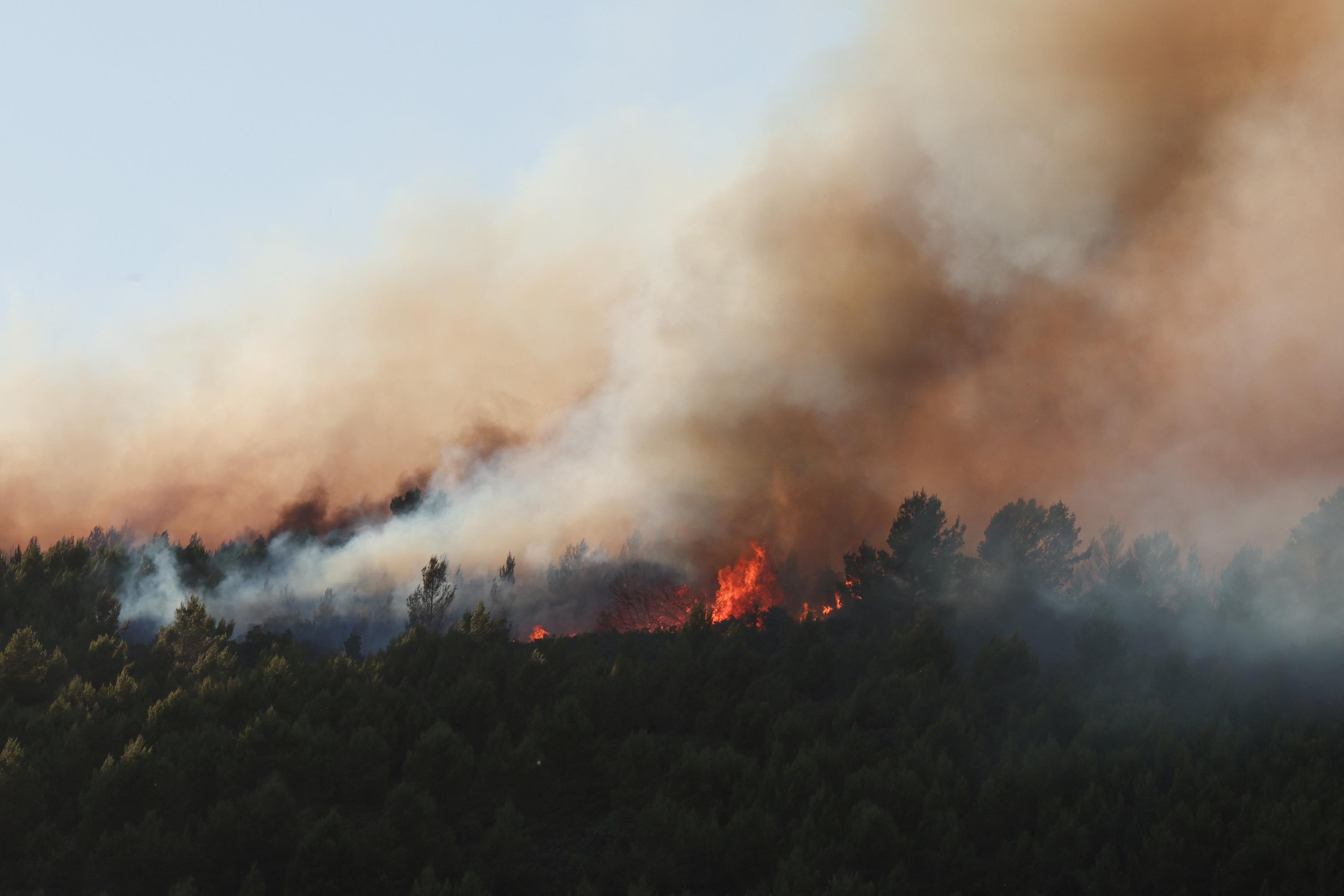
Numerous factors contribute to the spread of forest fires, as demonstrated by recent events in Gironde where tens of thousands of hectares were engulfed. Understanding these dynamics is crucial for effective prevention and response strategies.
The propagation of wildfires is a complex phenomenon influenced by a combination of environmental conditions and human activities. Key elements include wind speed and direction, which can rapidly accelerate flames across vast areas. Topography also plays a significant role, with fires spreading more quickly uphill than downhill. The type and condition of vegetation, including its dryness and density, directly impact the intensity and speed of a fire's advance. Fuel moisture content is a critical variable, as drier conditions lead to more volatile and faster-spreading fires.
Human factors, such as the ignition source and the presence of infrastructure, can also influence fire behavior. Understanding the interplay of these elements, as illustrated by detailed infographics, allows for better prediction and management of these destructive events. These visualizations aim to clarify the mechanisms behind wildfire propagation, offering insights into how fires grow and spread, which is essential for mitigating their impact on ecosystems and communities.
Wildfire propagation is a complex interplay of natural and anthropogenic factors, including weather patterns, fuel availability, and topography. The infographics likely illustrate how these variables synergistically increase the risk and speed of fire spread, particularly in regions experiencing climate-driven increases in drought conditions. Understanding these dynamics is crucial for developing more effective land management policies and early warning systems. Future challenges will involve integrating advanced climate modeling and AI-driven predictive analytics to anticipate and combat increasingly severe wildfire seasons, balancing ecological needs with human safety and infrastructure protection.
AI-generated to prompt reflection — not editorial opinion, not advice, not a statement of fact. How this works.