Understanding Winter Fog and Its Impact on Flight Delays
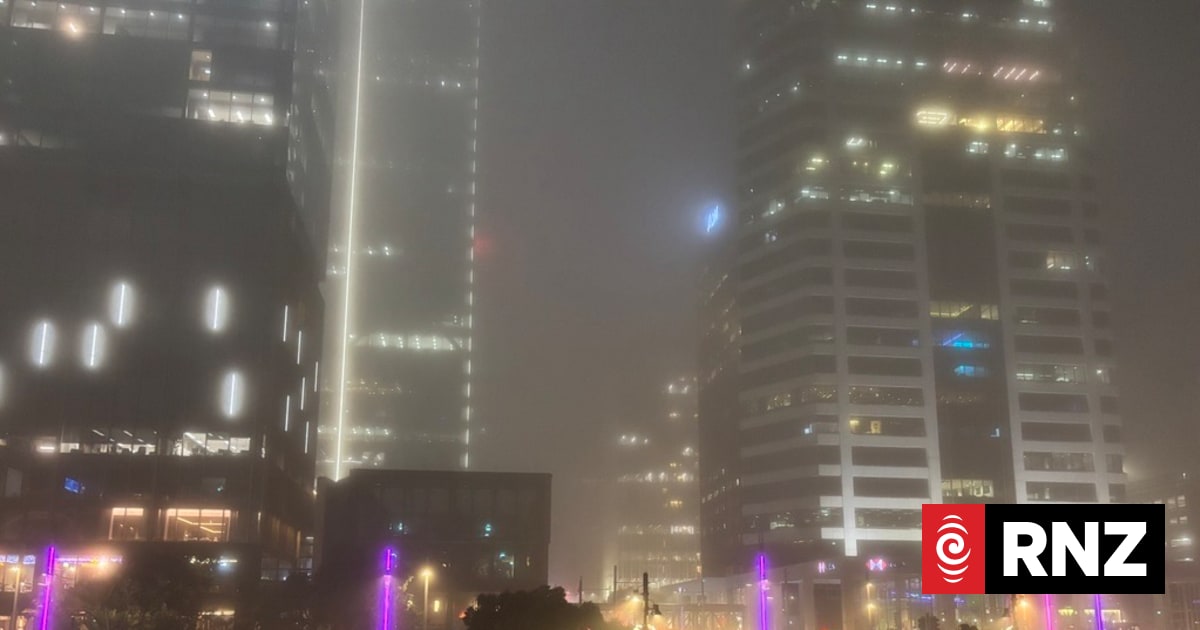
Recent flight delays due to fog are a common experience for many travelers. This explainer delves into the nature of fog and explores potential solutions to mitigate its disruptive effects. Fog is a weather phenomenon that occurs when water vapor condenses into tiny liquid water droplets or ice crystals suspended in the air at or near the Earth's surface. This condensation reduces visibility, often significantly. Winter conditions, characterized by colder temperatures and higher humidity levels, create a more conducive environment for fog formation. Colder air can hold less moisture than warmer air, meaning that even a small increase in humidity can lead to saturation and condensation. Additionally, temperature inversions, where a layer of warm air sits above a layer of cold air near the ground, can trap moisture and pollutants, further promoting fog development. These factors combine to make fog a more persistent and widespread issue during the winter months. The impact on air travel is substantial, as safety regulations require minimum visibility standards for takeoffs and landings. When fog reduces visibility below these thresholds, flights must be delayed or canceled to ensure passenger safety. Efforts to combat fog's impact include improved weather forecasting, advanced navigation systems for aircraft, and sometimes, the use of specialized equipment at airports. However, completely eliminating fog or its effects on aviation remains a significant challenge.
The recurring disruption of air travel by winter fog highlights a persistent tension between natural atmospheric conditions and the demands of modern transportation infrastructure. While technological advancements in aviation and meteorology have improved prediction and navigation, the fundamental physics of condensation and visibility limitations remain largely unmitigated. This situation underscores the need for continued investment in adaptive infrastructure and operational strategies that can better accommodate predictable environmental challenges. Future resilience may depend on integrating more sophisticated real-time environmental monitoring with dynamic scheduling and potentially exploring alternative transport solutions for critical periods, acknowledging that complete control over weather events is not feasible.
AI-generated to prompt reflection — not editorial opinion, not advice, not a statement of fact. How this works.