Understanding Your Car's Tire Pressure Recommendations
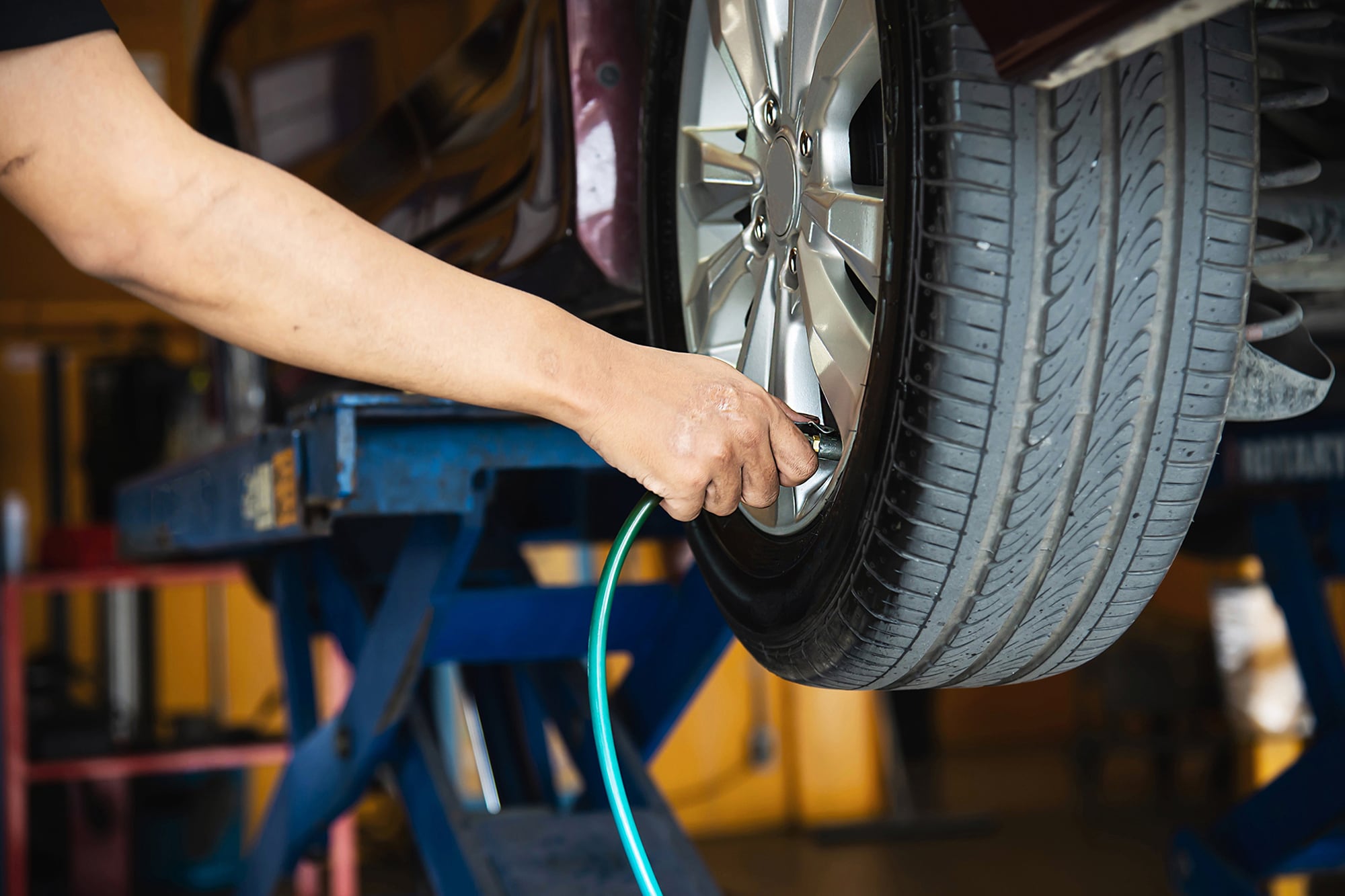
Determining the correct tire pressure for your vehicle is crucial for safety and optimal performance. While each car model has a specific recommended pressure set by the manufacturer, there are general guidelines that can serve as a useful approximation. These recommendations are typically found in the vehicle's owner's manual or on a sticker located on the driver's side doorjamb.
Adhering to the manufacturer's recommended tire pressure ensures proper tire wear, improves fuel efficiency, and enhances handling and braking capabilities. Over-inflated tires can lead to a harsher ride and reduced traction, while under-inflated tires can cause excessive heat buildup, premature wear, and increase the risk of a blowout. Therefore, regularly checking and adjusting tire pressure, especially before long journeys or when carrying heavy loads, is a fundamental aspect of vehicle maintenance.
Vehicle manufacturers provide specific tire pressure recommendations to balance ride comfort, tire longevity, and safety parameters. Deviating from these guidelines, whether through over or under-inflation, can introduce inefficiencies and risks. Understanding the underlying engineering trade-offs, such as the relationship between pressure, contact patch size, and heat dissipation, is key. As vehicle technology evolves with advancements in tire materials and sensor integration, future systems may offer more dynamic and adaptive pressure management, further optimizing performance and safety across diverse driving conditions.
AI-generated to prompt reflection — not editorial opinion, not advice, not a statement of fact. How this works.