Underwater Window to World War I: Turkey Preserves Gallipoli Shipwrecks
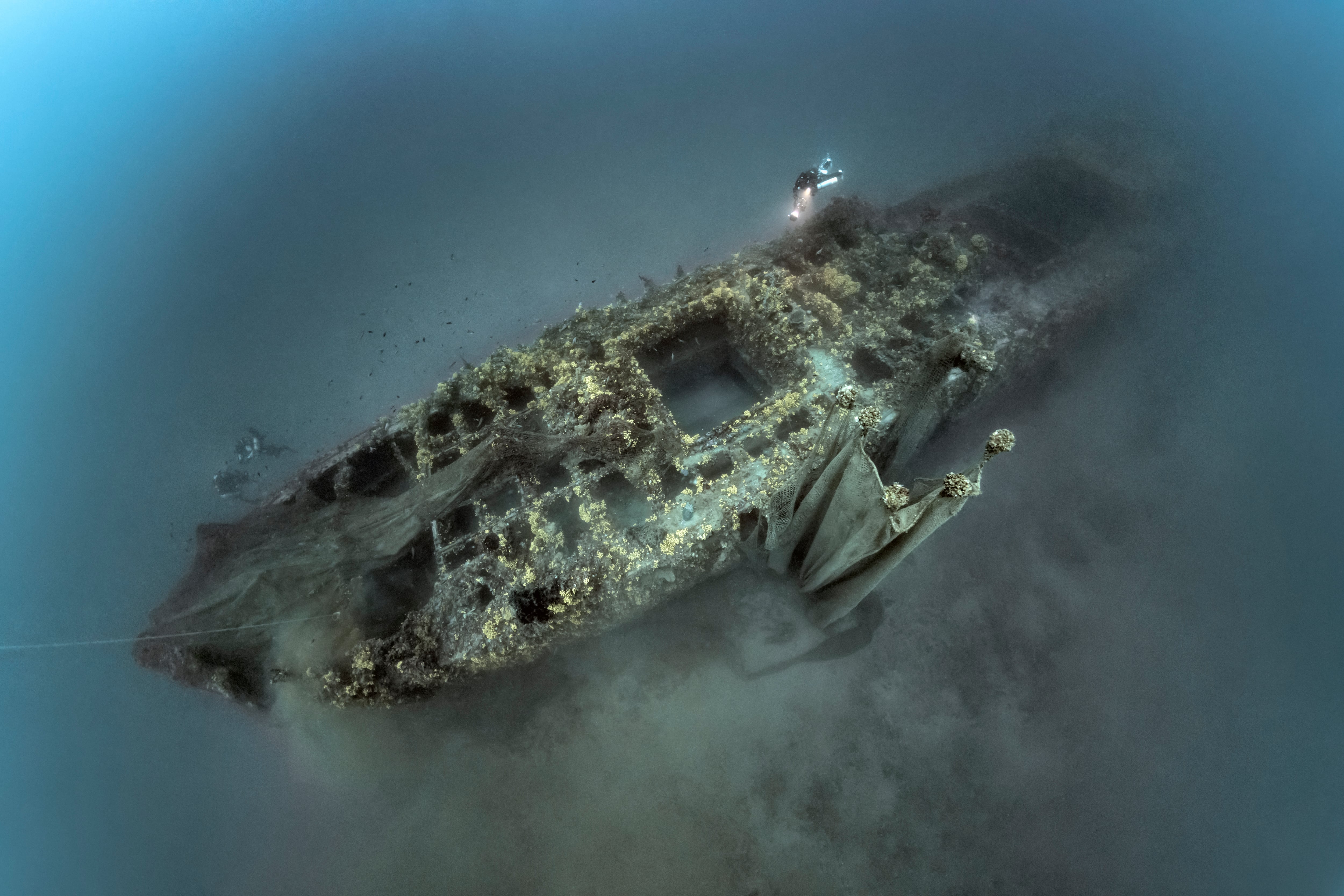
Turkey is undertaking efforts to preserve the underwater historical sites of the Battle of Gallipoli. Divers and researchers are actively documenting their discoveries in the deep waters surrounding the Gallipoli peninsula. These efforts aim to safeguard the remnants of this significant World War I naval engagement. The historical context of the battle, fought between the Ottoman Empire and the Allied forces, makes these shipwrecks invaluable historical artifacts. The ongoing documentation process involves meticulous recording of the condition and location of the submerged vessels. This initiative highlights Turkey's commitment to protecting its maritime heritage. The findings from these dives are expected to provide new insights into the naval strategies and the overall course of the Gallipoli campaign. The preservation of these sites is crucial for both historical research and potential future archaeological studies. The project underscores the importance of underwater cultural heritage and its role in understanding past conflicts. The deep waters present unique challenges for both preservation and research, requiring specialized equipment and expertise.
Turkey's initiative to preserve the Gallipoli shipwrecks represents a strategic approach to leveraging historical assets for cultural and potentially economic benefit. By documenting these underwater sites, Turkey is not only safeguarding a crucial part of World War I history but also establishing itself as a custodian of maritime heritage. This can foster national identity and attract specialized tourism. The challenges of deep-sea preservation and research highlight the evolving technological demands in historical conservation. Future implications may include the development of advanced underwater robotics and AI-driven analysis for historical reconstruction, positioning Turkey at the forefront of such innovations. This proactive stance on heritage management could set a precedent for other nations facing similar underwater historical sites, emphasizing the long-term value of cultural preservation in a world increasingly focused on technological advancement and resource management.
AI-generated to prompt reflection — not editorial opinion, not advice, not a statement of fact. How this works.