Unearthing the Qin Dynasty's Rise Before China's First Emperor
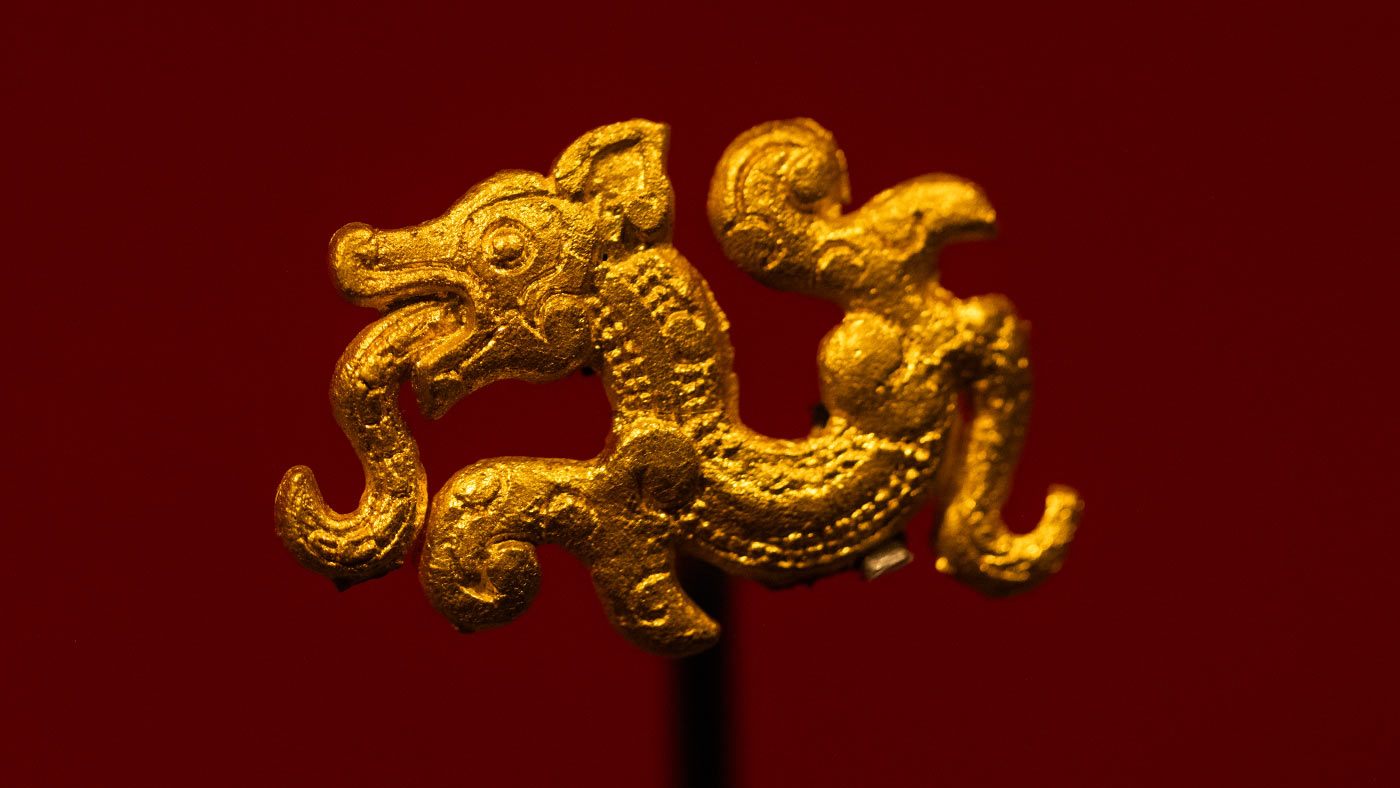
Historians continue to ponder the enduring question of why the Qin state, rather than any of the other Warring States, ultimately succeeded in unifying China. This unification occurred over two millennia ago, marking a pivotal moment in Chinese history. The Qin Dynasty's ascent to power is a subject of ongoing academic inquiry, seeking to understand the specific factors that distinguished it from its rivals. The period preceding the Qin's dominance was characterized by intense conflict and competition among various states, each vying for supremacy. The eventual triumph of the Qin suggests a complex interplay of political, military, and social dynamics that favored their rise. Understanding this historical trajectory provides crucial insights into the foundations of imperial China. The legacy of the Qin's unification continues to be a central theme in the study of Chinese history and state formation. The reasons behind their success remain a compelling area of research for scholars.
The historical puzzle of the Qin's unification highlights how specific state structures and strategic advantages can lead to dominance, even amidst widespread competition. Examining the Qin's rise prompts consideration of long-term state-building strategies, military innovation, and governance models that foster consolidation. Understanding these historical precedents offers valuable lessons for contemporary geopolitical and economic competition, emphasizing the importance of adaptive strategies and effective resource management. The enduring question underscores the need to analyze power dynamics beyond immediate conflict, focusing on the systemic factors that enable sustained influence and territorial integration over extended periods.
AI-generated to prompt reflection — not editorial opinion, not advice, not a statement of fact. How this works.