Uneb Announces Special Selection for 2,467 Remaining Undergraduate Spots
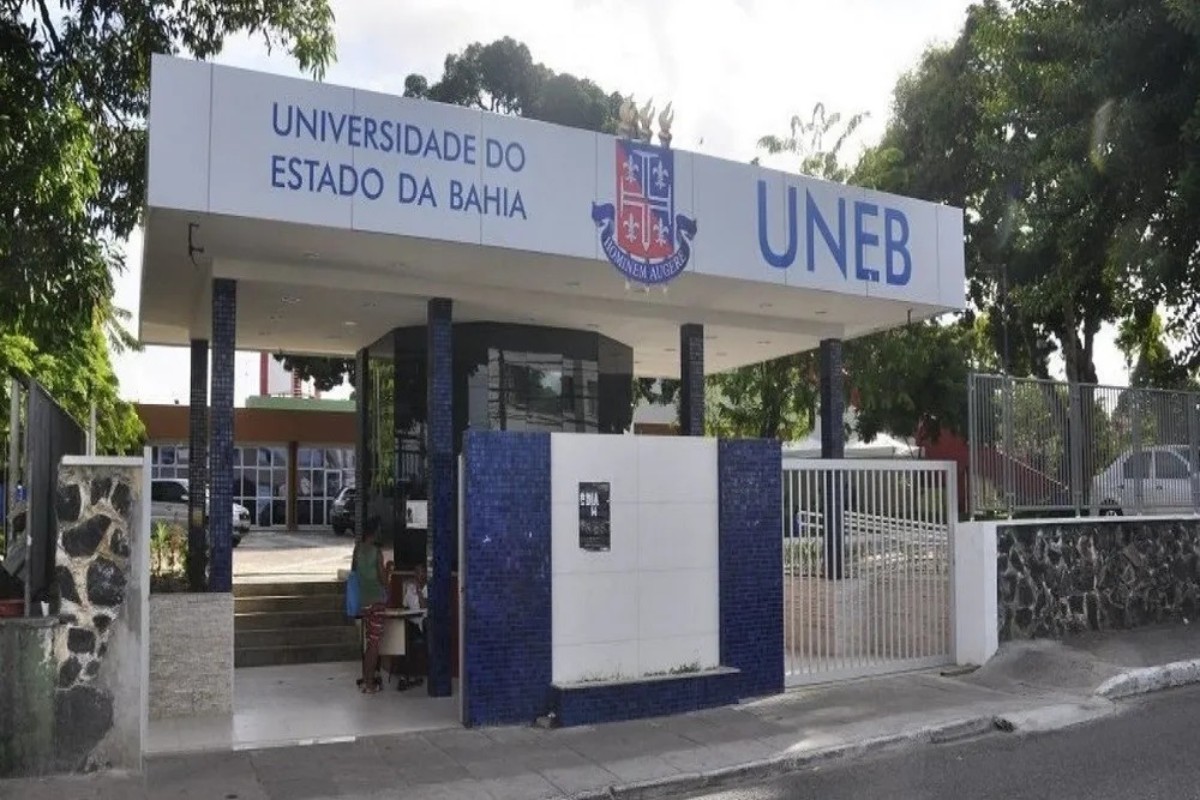
The State University of Bahia (Uneb) has launched a special selection process to fill 2,467 remaining spots in its undergraduate programs. These courses are offered in both in-person and semi-presential formats across various cities in the state. Applications will be accepted online from July 28 to August 2. The selection process includes openings in on-campus programs at the university's various campuses, as well as those offered by the Distance Education Unit (Unead). Of the total available positions, 861 are designated for general competition, and an additional 731 are reserved for Black candidates. Furthermore, 875 "super vagas" (additional reserved spots) are available for candidates applying through specific quotas. These quotas cater to indigenous individuals, quilombolas, Roma people, persons with disabilities, individuals with autism spectrum disorder (TEA), those with high abilities or giftedness, as well as transgender men, transgender women, and non-binary individuals. Applicants seeking these reserved spots and "super vagas" must submit not only standard academic and personal documentation but also specific documents verifying their eligibility for the chosen category. Proof of family income, according to the criteria outlined in the official notice, will also be required.
This special selection process by Uneb addresses a significant number of unfilled undergraduate positions, highlighting potential challenges in student enrollment or program capacity. The detailed breakdown of reserved spots, including those for specific ethnic groups, individuals with disabilities, and LGBTQ+ individuals, demonstrates a commitment to affirmative action and diversity. However, the existence of such a large number of remaining vacancies may prompt an examination of Uneb's recruitment strategies, course appeal, or admission processes. Understanding the underlying reasons for these vacancies could inform future enrollment management and educational planning, ensuring that public university resources are utilized effectively to meet societal needs and student aspirations in an evolving educational landscape.
AI-generated to prompt reflection — not editorial opinion, not advice, not a statement of fact. How this works.