UNEMAT Announces 2,350 Undergraduate Admissions for 2027
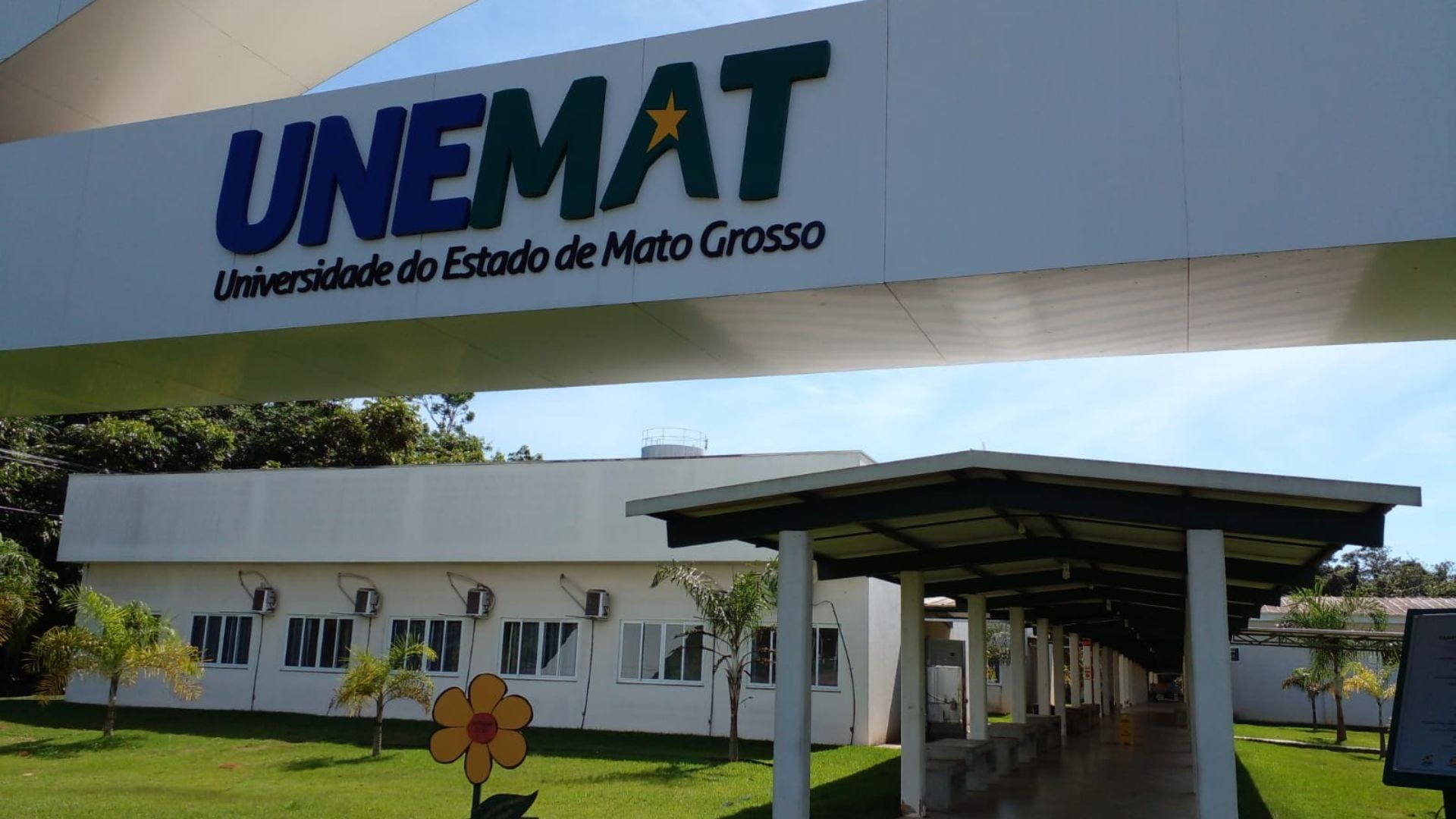
The State University of Mato Grosso (UNEMAT) has announced an admissions process offering 2,350 places for undergraduate courses commencing in 2027. These positions are for in-person programs and will be filled through two distinct selection methods. A traditional vestibular exam will be used for admission to Agronomy, Law, Nursing, and Medicine programs. For all other courses, a simplified selection process will evaluate students based on their high school academic records. The admissions will utilize both general competition and a reserved quota system for candidates who completed their secondary education in public schools, as detailed in the official announcement. Online registration will be open exclusively through the UNEMAT portal from August 3 to October 13, 2026. A specific window for fee exemption requests will run from August 17 to August 24, 2026. The application fee for the traditional vestibular is R$ 180.00, while the simplified process fee is R$ 30.00. Vestibular candidates will undergo objective tests and an essay on November 22, 2026, with exams administered across 13 cities in Mato Grosso. The simplified process covers a wide array of disciplines including Administration, Computer Science, Civil Engineering, Journalism, and Pedagogy, among others.
UNEMAT's 2027 admissions announcement highlights a strategic approach to managing enrollment demand across diverse programs. By employing both a competitive vestibular for high-demand fields and a simplified, record-based system for others, the university aims to balance selectivity with accessibility. This dual-track system may reflect an effort to optimize resource allocation and student intake efficiency, potentially addressing institutional capacity constraints while ensuring broad access to higher education. The structured timeline for applications and fee waivers suggests a well-defined administrative process designed to manage a large applicant pool effectively. Future considerations might include evaluating the long-term academic performance correlation between students admitted through each pathway to refine selection criteria for optimal student success and institutional alignment.
AI-generated to prompt reflection — not editorial opinion, not advice, not a statement of fact. How this works.