UNESCO Adds Lebanese and West Bank World Heritage Sites to Endangered List
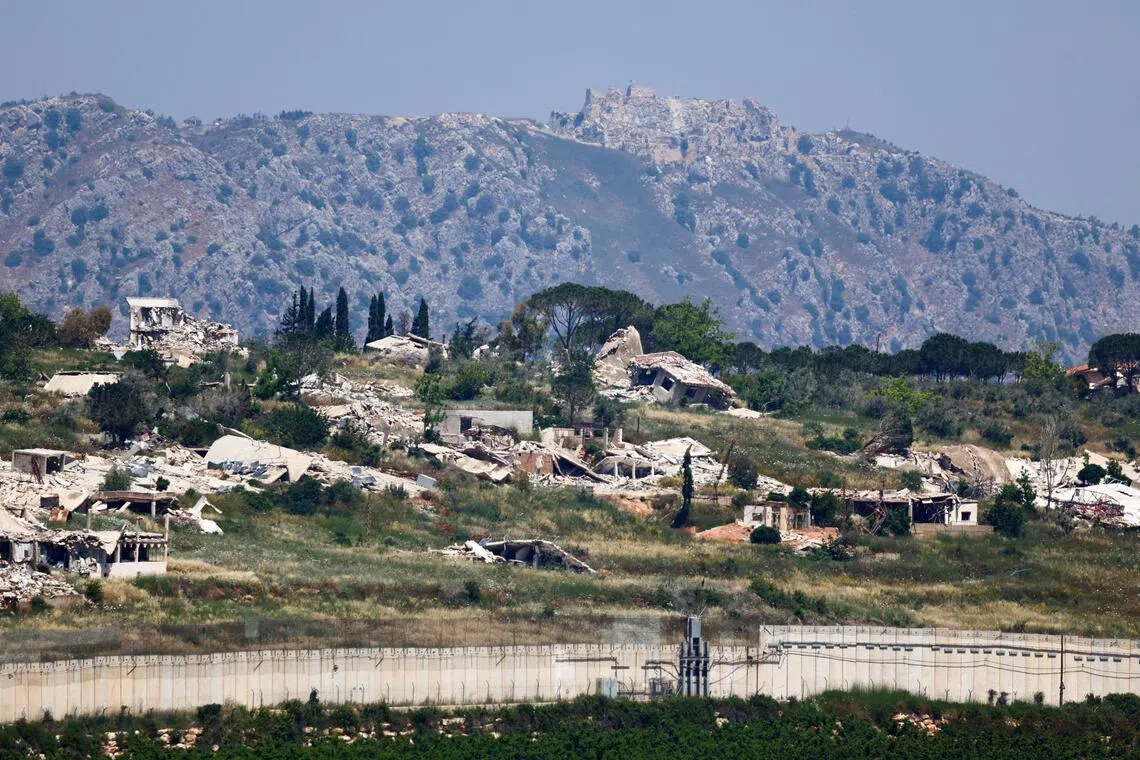
UNESCO has officially designated World Heritage sites in Lebanon and the West Bank as being in danger. This decision was made following a vote by all 196 member states of the United Nations Educational, Scientific and Cultural Organization (UNESCO). The inclusion on the endangered list signifies a critical status for these cultural and historical locations. The exact nature of the threats facing these sites was not detailed in the provided information. However, such designations typically highlight risks from conflict, environmental degradation, over-tourism, or lack of conservation efforts. The member states' unanimous vote underscores the international community's concern for the preservation of these significant heritage locations. UNESCO's endangered list aims to draw attention and mobilize resources for sites facing severe challenges. This action by UNESCO serves as a call for urgent attention and action to protect the integrity of these World Heritage sites.
The unanimous vote by 196 member states to place Lebanese and West Bank World Heritage sites on UNESCO's endangered list signals a collective international recognition of significant threats to these locations. This designation, while not directly imposing sanctions, serves as a powerful diplomatic tool to highlight preservation needs and potentially unlock international aid or conservation expertise. The decision reflects a growing global awareness of how geopolitical instability, environmental pressures, and inadequate resource allocation can imperil cultural heritage. Future efforts will likely focus on collaborative strategies between UNESCO, local authorities, and international bodies to implement protective measures and ensure the long-term survival of these sites amidst complex regional dynamics.
AI-generated to prompt reflection — not editorial opinion, not advice, not a statement of fact. How this works.