UNESCO Criticizes Pakistan Over Conservation Work at Taxila World Heritage Site
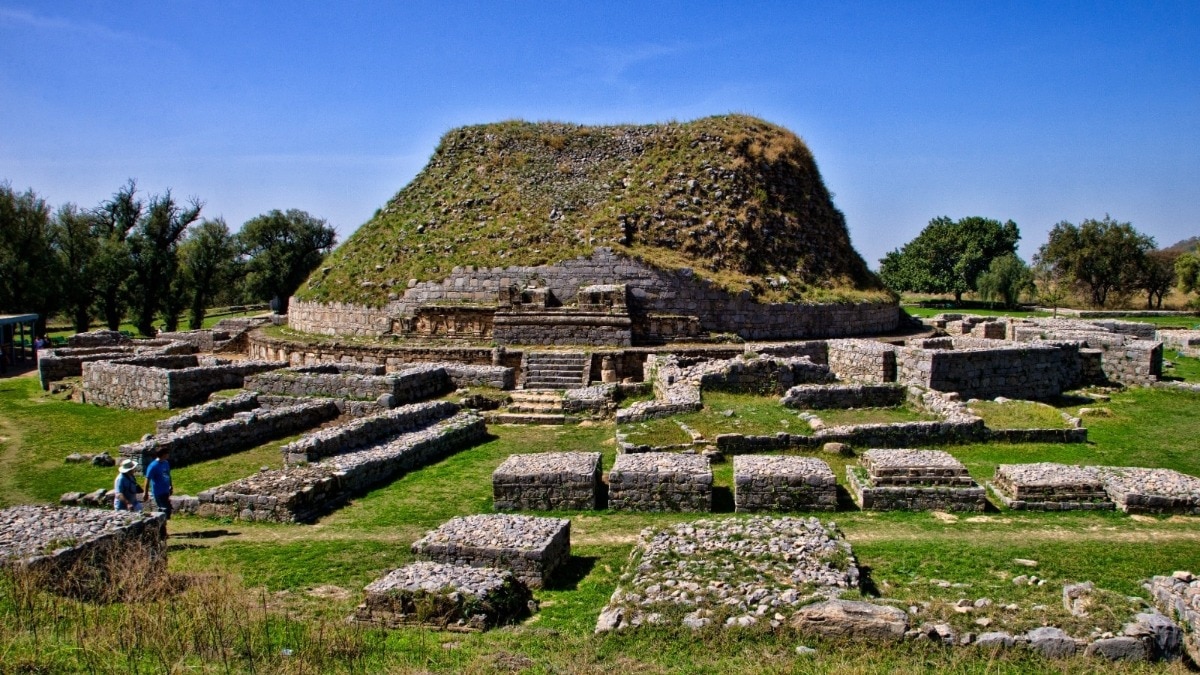
UNESCO has raised objections regarding conservation efforts at the ancient Taxila World Heritage site in Pakistan. The international organization stated that the use of modern materials during conservation activities has compromised the authenticity of the historical monuments. This intervention by UNESCO highlights concerns about maintaining the integrity of significant cultural heritage sites. Taxila, an important archaeological site, holds immense historical value and is recognized globally for its rich past. The organization's criticism suggests a potential disconnect between Pakistan's approach to preservation and international heritage standards. UNESCO's role is to ensure that such sites are protected in a manner that respects their original construction and historical context. The use of contemporary materials can irreversibly alter the character of ancient structures, leading to a loss of their genuine historical essence. This situation underscores the delicate balance required in heritage conservation, where modern techniques must be carefully applied to avoid damaging irreplaceable historical assets.
UNESCO's intervention at Taxila points to a critical tension in global heritage management: the balance between preservation and modernization. While Pakistan's authorities may have intended to stabilize or enhance the site using contemporary materials, the international body's objection underscores the paramount importance of maintaining historical authenticity. This situation highlights a systemic challenge in managing world heritage sites, where differing interpretations of conservation best practices can arise between local administrations and international oversight bodies. The long-term implications involve potential reputational damage and future funding challenges if sites are perceived to deviate from UNESCO's established standards. Moving forward, a more collaborative approach, possibly involving enhanced training and shared best practices, could mitigate such conflicts and ensure the enduring integrity of sites like Taxila for future generations.
AI-generated to prompt reflection — not editorial opinion, not advice, not a statement of fact. How this works.