UNESCO Demands Reversal of "Reconstruction" at Pakistan's Taxila World Heritage Sites
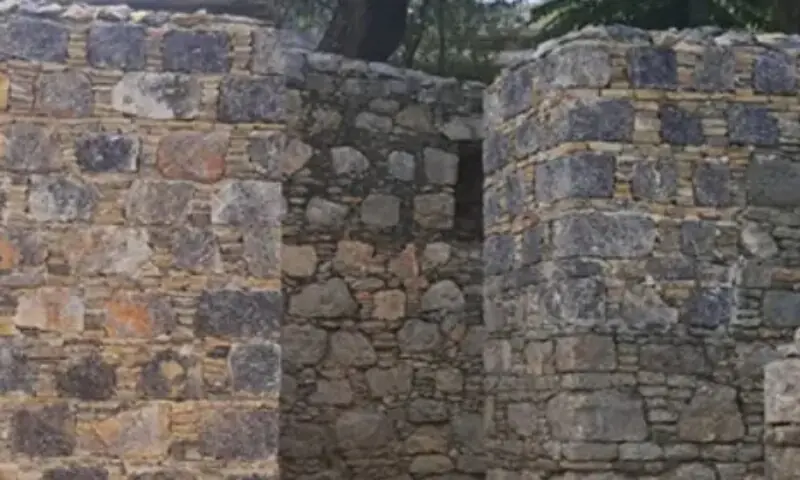
UNESCO has formally requested the Pakistani government to undo recent "reconstruction" work at the ancient Taxila sites of Mohra Moradu and Sirkap, warning of potential delisting from the World Heritage List. The UN's cultural agency expressed concern that "unnecessary interventions" have compromised the integrity and authenticity of these historical locations. Sources indicate UNESCO has previously delisted a World Heritage Site in Germany due to similar issues and is prepared to take action against Taxila if the work is not reversed. The controversy surfaced in March when a third party shared images showing new masonry replacing ancient walls and increasing their height, allegedly under the guise of conservation. A joint technical visit involving UNESCO, the Department of Archaeology and Museums (DOAM), and the Ministry of National Heritage and Culture took place on June 12. During this visit, the Punjab archaeology department presented its case, but UNESCO requested extensive documentation, including heritage impact assessments, pre- and post-restoration photographic records, and material compatibility reports. The Punjab archaeology department has reportedly not yet provided the requested information. Officials view the use of cement and new construction as a serious violation of UNESCO conservation rules, potentially jeopardizing Pakistan's efforts to have 24 other historical sites inscribed on the World Heritage list. The Punjab archaeology department's Director General, Malik Zaheer Abbas, disputes the term "reconstruction," asserting that the interventions are internationally accepted conservation measures aimed at stabilizing vulnerable remains and preserving the sites. He stated that the work is not reconstruction but conservation, and the delegation was briefed on the ongoing activities. This situation echoes a past incident in 1998 when the Bhir Mound site was nearly placed on the "danger list" due to proposed construction.
The dispute over conservation practices at Taxila highlights a critical tension between preserving archaeological integrity and the practical challenges of site stabilization. UNESCO's stance emphasizes the paramount importance of authenticity for World Heritage status, suggesting that interventions perceived as reconstruction risk undermining the sites' intrinsic value and global recognition. The Pakistani authorities' defense of the work as necessary "conservation" points to differing interpretations of best practices or perhaps differing priorities, such as immediate structural preservation over strict adherence to original fabric. This divergence raises questions about the clarity and enforcement of international conservation guidelines, as well as the capacity building required for local departments to meet these standards. Moving forward, a transparent, collaborative approach involving rigorous documentation, independent expert review, and shared understanding of conservation ethics will be crucial to safeguard Taxila's heritage and maintain its World Heritage status, while also ensuring the long-term stability of these irreplaceable historical assets.
AI-generated to prompt reflection — not editorial opinion, not advice, not a statement of fact. How this works.