Unesco Designates Ancient Japanese Capitals Asuka and Fujiwara as World Heritage Sites
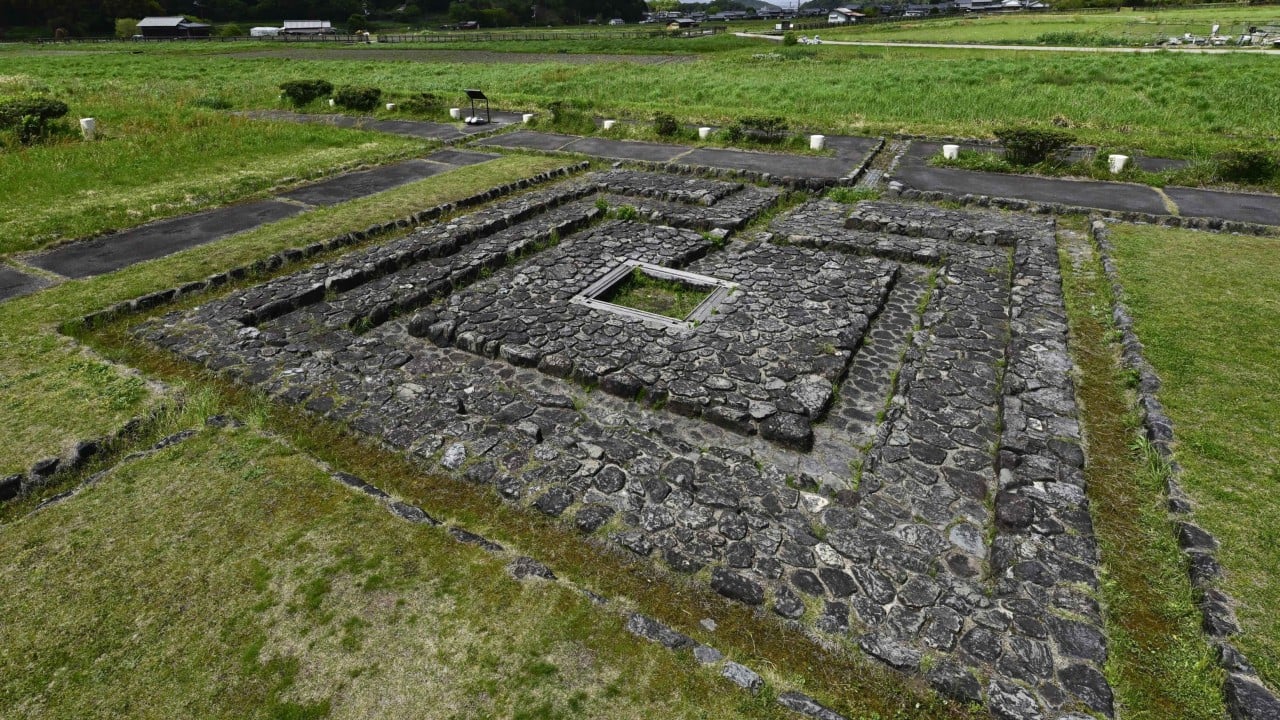
The United Nations Educational, Scientific and Cultural Organization (Unesco) has officially added a collection of ancient sites in Nara Prefecture, Japan, to its World Heritage list. This designation marks Japan's 27th World Heritage site. The newly inscribed property, known as Asuka-Fujiwara: Archaeological sites of Japan’s Ancient Capitals and Related Properties, was recognized during a World Heritage Committee meeting held in Busan, South Korea, on Sunday. These archaeological sites are significant for illustrating the foundational period of Japan's centralized state. The inclusion highlights the historical importance of these locations in shaping early Japanese governance and culture.
The inscription of the Asuka-Fujiwara sites by Unesco underscores the global recognition of Japan's historical development and its early state formation. This designation can stimulate cultural tourism and international interest in Japan's ancient history, potentially benefiting local economies. From a broader perspective, such recognitions highlight the ongoing importance of preserving cultural heritage as a means of understanding societal evolution. The decision also reinforces the role of international bodies like Unesco in cataloging and safeguarding sites of universal value, prompting discussions about how nations balance modernization with the preservation of their historical legacies.
AI-generated to prompt reflection — not editorial opinion, not advice, not a statement of fact. How this works.