UNESCO Evaluates World Relevance of Two Geoparks in Rio Grande do Sul, Brazil
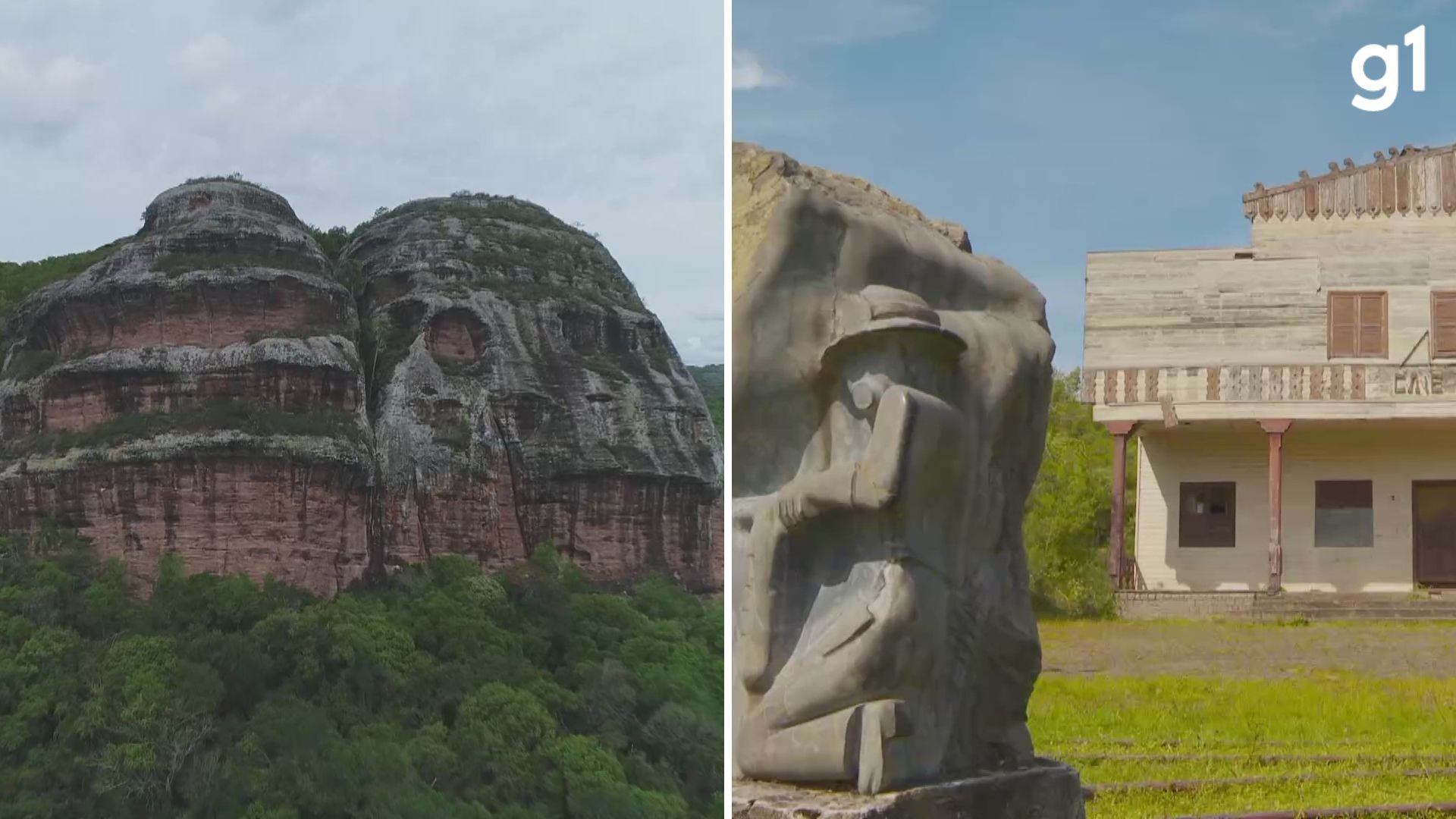
A delegation from the United Nations Educational, Scientific and Cultural Organization (UNESCO) concluded technical visits to the Caçapava and Quarta Colônia geoparks in the Central Region of Rio Grande do Sul, Brazil, on Thursday, May 23rd. The purpose of these visits was to assess the sites for the maintenance of their world relevance seals. The evaluation results are expected to be announced by November. Brazil currently has six UNESCO-recognized geoparks, with two located in Rio Grande do Sul undergoing this revalidation process. The assessment report will incorporate observations from the visits, compiled by evaluators from France and Portugal. Key sites inspected included the Pedra do Segredo in Caçapava do Sul, a symbol of the region's geological heritage, featuring a formation over 500 million years old and spanning 3,047 km². The Minas do Camaquã, significant for Brazil's mining history and the state's geological evolution, were also visited. In the Quarta Colônia region, which covers nine municipalities across 2,923 km² and contains fossils dating back 230 million years, the international mission visited areas in Faxinal do Soturno, Pinhal Grande, Nova Palma, Silveira Martins, Dona Francisca, Agudo, Restinga Seca, and Ivorá. An exhibition on the geopark, created by over 700 students, was presented in São João do Polêsine. UNESCO evaluators noted the strong local engagement with the geological and paleontological heritage, emphasizing its connection to the community. Local representatives highlighted the importance of community embrace, heritage education, tourism promotion, conservation efforts, and partnerships, with over 150 partners currently involved. They also stressed the need to invest in local products, agriculture, arts, and music to enhance regional identity and visibility, viewing the region as emerging on the global stage.
The UNESCO revalidation process for the Caçapava and Quarta Colônia geoparks underscores the growing global recognition of geological and paleontological heritage as a driver for regional development. This initiative highlights a systemic incentive structure where international validation can unlock tourism, investment, and educational opportunities. The emphasis on local community engagement and the integration of natural heritage with cultural identity and economic activities, such as family agriculture and local arts, demonstrates a forward-thinking approach to sustainable development. Looking ahead, the success of these geoparks will likely depend on their ability to leverage this international recognition to foster long-term economic resilience and educational impact, while navigating the inherent challenges of conservation and resource management in a changing climate and evolving global tourism landscape.
AI-generated to prompt reflection — not editorial opinion, not advice, not a statement of fact. How this works.