UNESCO Grants North Macedonia Five More Years for Ohrid Region Protection
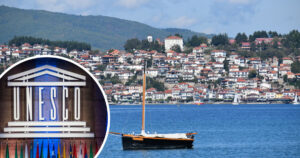
The United Nations Educational, Scientific and Cultural Organization (UNESCO) has decided not to inscribe the Ohrid Region on its List of World Heritage in Danger. Instead, the government of North Macedonia has been granted an additional five years to implement UNESCO's recommendations for the region's protection. This decision was made by the UNESCO World Heritage Committee during its annual session held in Busan, South Korea. The committee's recommendations are crucial for ensuring the long-term preservation of the Ohrid Region's unique natural and cultural heritage. The extension provides a critical window for the government to address outstanding concerns and demonstrate progress in safeguarding this significant site. Failure to meet the outlined requirements within the new timeframe could lead to reconsideration for inscription on the danger list. The Ohrid Region is renowned for its ancient lake and surrounding historical sites, making its protection a matter of global importance. This decision underscores the ongoing dialogue between UNESCO and national authorities regarding heritage management and conservation efforts.
This decision reflects a common dynamic where international heritage bodies grant extensions to national governments facing complex preservation challenges. The five-year grace period suggests UNESCO recognizes the efforts being made but acknowledges the scale of work required. The core issue likely revolves around balancing development pressures with the strict conservation mandates necessary for World Heritage status. The government's ability to demonstrate tangible progress in areas such as urban planning, infrastructure development, and environmental protection will be critical. This situation highlights the systemic challenge of ensuring that economic growth in ecologically sensitive or historically significant areas does not undermine the very attributes that warrant their protected status. The next five years will be a test of governance and effective implementation of conservation strategies, with the potential for future inscription on the danger list serving as a strong incentive for compliance.
AI-generated to prompt reflection — not editorial opinion, not advice, not a statement of fact. How this works.