UNESCO: Japan's Sado Mines Documentation Lacks Forced Labor Details
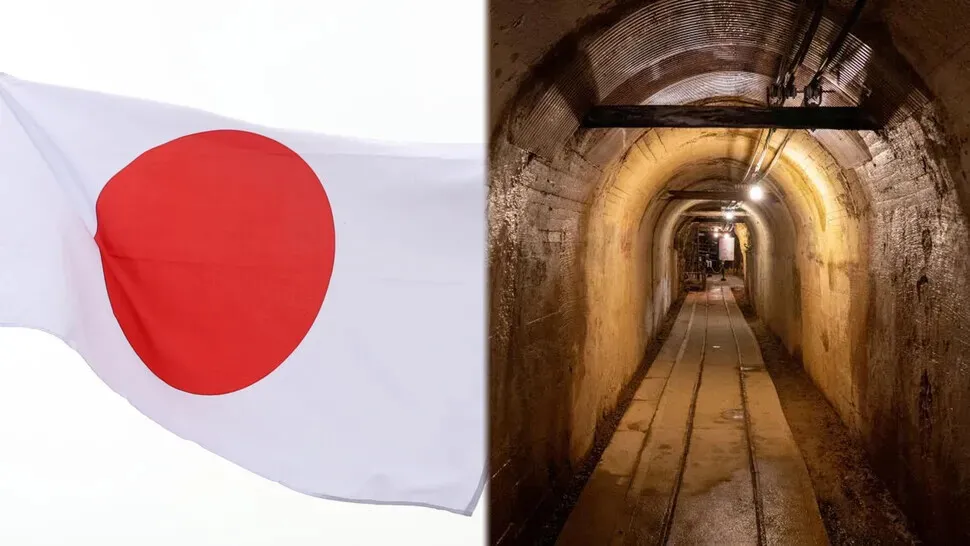
UNESCO has determined that Japan's presentation of information regarding the forced labor of Koreans at the Sado mines is insufficient. The international body reviewed the materials submitted by Japan concerning the mines, which are a candidate for inscription on the World Heritage List. Specifically, UNESCO found that the documentation failed to adequately address the forced labor of Korean individuals who were brought to the mines during Japan's colonial rule. The Sado mines, located in Niigata Prefecture, were historically significant for gold and silver production. However, their inscription process has been complicated by historical issues related to wartime labor. UNESCO's recommendation suggests that Japan needs to provide more comprehensive details and context about the experiences of Korean forced laborers. This finding could impact the final decision on whether the Sado mines are recognized as a World Heritage site. The organization emphasizes the importance of acknowledging and documenting all aspects of a site's history, particularly those involving human suffering and exploitation. Japan has been urged to revise its submission to meet UNESCO's standards for historical representation.
UNESCO's assessment highlights a recurring challenge in the inscription of historical sites: the comprehensive and unbiased representation of difficult pasts. The organization's finding suggests that Japan's submission may prioritize economic or industrial significance over acknowledging the human cost of its historical development. This situation underscores the tension between national heritage promotion and the international imperative for historical truth and reconciliation. Future World Heritage nominations may face increased scrutiny regarding their handling of sensitive historical narratives, particularly those involving forced labor or human rights abuses. The decision-making process by UNESCO will likely continue to evolve, balancing the preservation of cultural and natural heritage with the ethical obligation to confront and document historical injustices, potentially influencing how nations engage with their complex histories on a global stage.
AI-generated to prompt reflection — not editorial opinion, not advice, not a statement of fact. How this works.