UNESCO Lists Ancient Chersonesus as Endangered Due to Russian Actions
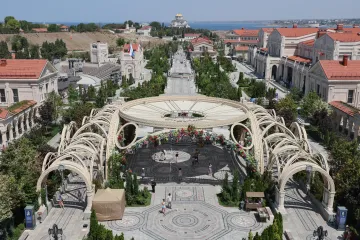
The World Heritage Committee of UNESCO has added the ancient site of Chersonesus, located in Russian-occupied Ukrainian Crimea, to its list of endangered heritage sites. Russia is accused of destroying the remnants of this ancient Greek city through extensive illegal excavations. Furthermore, Russia is reportedly engaged in illegal construction of a new museum and temple complex on the site. Chersonesus holds significant historical importance, particularly in relation to the Christianization of medieval Kyivan Rus'. The site is also a key element in Moscow's imperial mythology, which it uses to justify its claims of dominance over Ukraine, including Crimea.
The inscription of Chersonesus on UNESCO's endangered list highlights a conflict between historical preservation and geopolitical claims. The actions attributed to Russia, including illegal excavations and construction, raise concerns about the integrity of a site recognized for its global heritage value. This situation underscores the vulnerability of cultural heritage in regions experiencing territorial disputes, where national narratives can potentially override international preservation efforts. The long-term implications involve the potential irreversible damage to historical evidence and the erosion of shared cultural understanding, posing challenges for future reconciliation and historical scholarship.
AI-generated to prompt reflection — not editorial opinion, not advice, not a statement of fact. How this works.
