UNESCO Raises Concerns Over Rohtas Fort Restoration Works
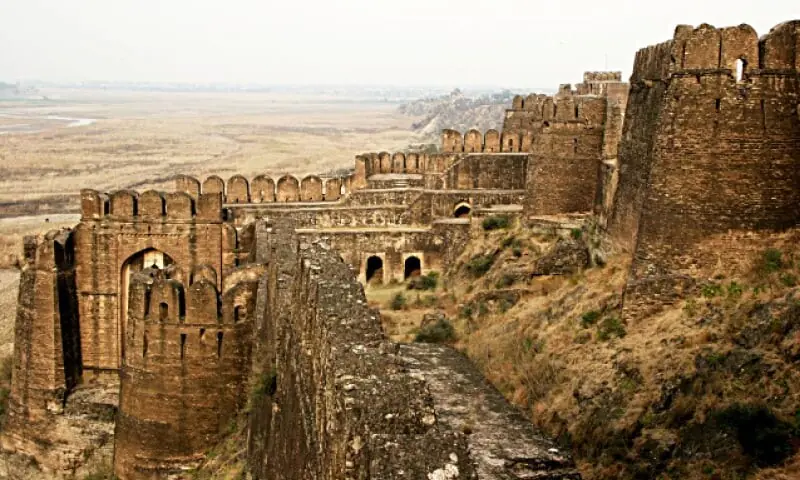
The United Nations Educational, Scientific and Cultural Organization (UNESCO) has expressed concerns regarding restoration activities at Pakistan's Rohtas Fort, a World Heritage property. This follows a recent visit by a UNESCO team on Tuesday, prompted by information from a third party alleging that ongoing restoration works violated international standards. The Punjab Directorate General of Archaeology and Museums is reportedly undertaking these projects. Sources within the Ministry of National Heritage indicate that UNESCO's Pakistan office requested assistance from the Ministry to facilitate the visit and inspection of the Rohtas Fort project. The primary objective was to gather information for a report to the World Heritage Centre, as the restoration work is believed to be non-compliant with UNESCO's approved guidelines. This marks the second instance of UNESCO raising objections with the Punjab government regarding its conservation methods, which are seen as not aligning with international standards. Previously, UNESCO had cautioned the Pakistani government in July 2026 over significant reconstruction at Taxila's Mohra Moradu and Sirkap heritage sites. During that visit, UNESCO observed that ancient stone walls had been covered with new masonry and structures were artificially elevated, creating a stark contrast with the original fabric. UNESCO had then urged Pakistan to reverse these alterations and provide comprehensive documentation, warning that Taxila could face inclusion on a danger list or even the loss of its heritage status. Such actions also jeopardize Pakistan's ambition to have an additional 24 heritage sites inscribed on the UNESCO World Heritage list. An official explained that altering the design of ancient remains constitutes a serious violation of international laws, and the Punjab government has not adequately responded to UNESCO's specific queries. While some restoration, like retaining walls, is permissible to prevent collapse, modifying the design of universally significant historical properties can compromise their authenticity. The use of cement in reconstructing walls at World Heritage sites, as allegedly seen at Mohra Moradu and Sirkap, is a significant breach of UNESCO's conservation rules, weakening Pakistan's standing as it seeks further inscriptions, including Rani Ghat and Bhambhor, which have been accepted by UNESCO. The office of the Ministry of National Heritage and Culture Division Secretary, Asad Rehman Gilani, did not respond to repeated requests for comment.
UNESCO's scrutiny of restoration efforts at Rohtas Fort and Taxila highlights a recurring tension between national heritage management practices and international conservation standards. The core issue appears to be a divergence in methodologies, with allegations of using materials like cement and altering original structures, which contravene established principles of authenticity and reversibility. This situation presents a systemic challenge for Pakistan, potentially impacting its ability to safeguard its rich historical assets and leverage them for cultural and economic development through heritage tourism and international recognition. The government's responsiveness to UNESCO's concerns is critical; a lack of engagement could lead to the delisting of sites or exclusion from future inscriptions, diminishing the country's heritage portfolio. Moving forward, a more robust framework for heritage site management, incorporating international best practices and transparent documentation, could mitigate these risks and ensure the long-term preservation of Pakistan's invaluable cultural legacy.
AI-generated to prompt reflection — not editorial opinion, not advice, not a statement of fact. How this works.