UNESCO to Review 30 New World Heritage Sites, Including Brazil's Amazon Theaters
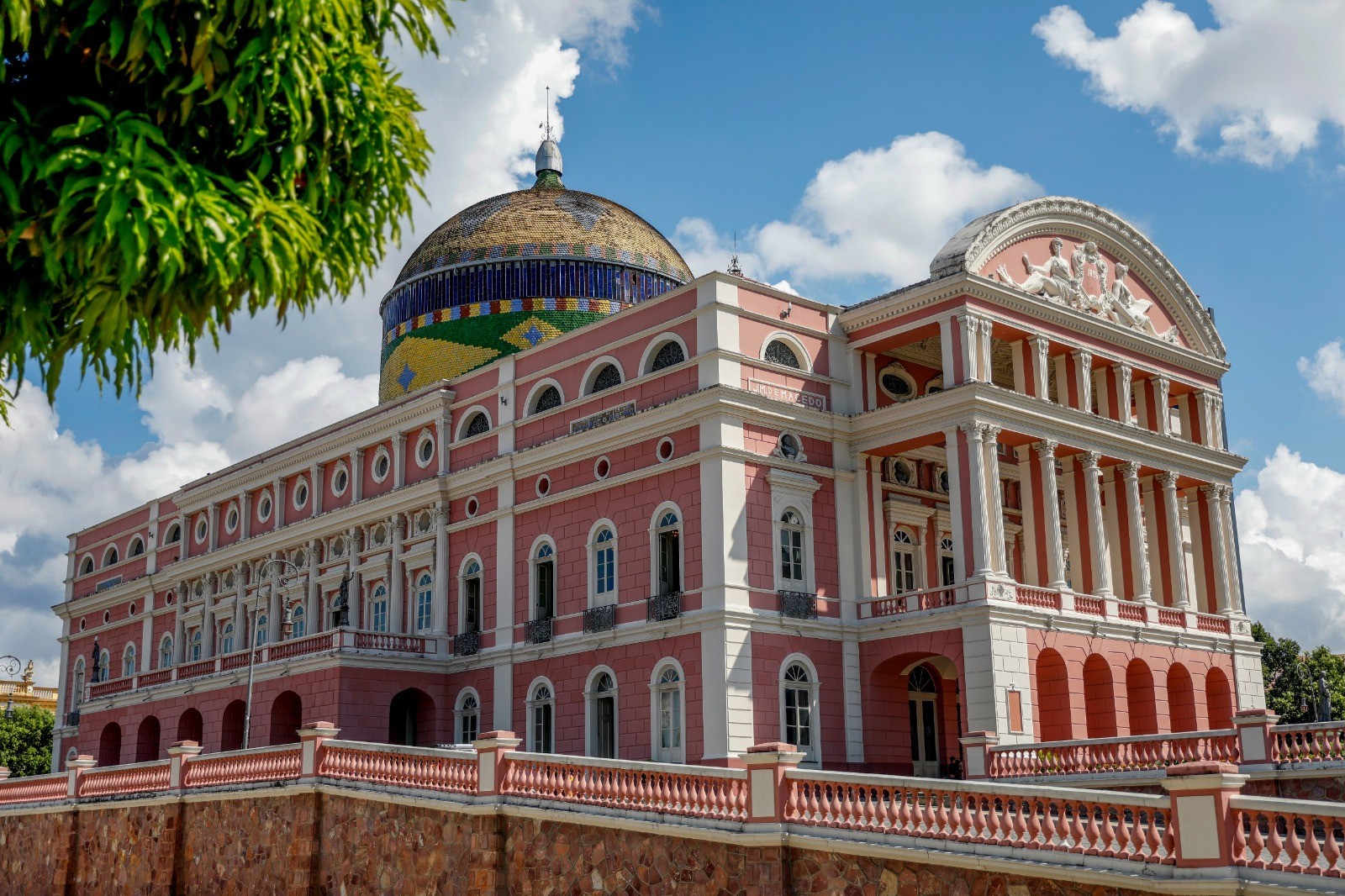
The United Nations Educational, Scientific and Cultural Organization (UNESCO) will evaluate 30 new nominations for its World Heritage List during its annual committee meeting. The session will take place in Busan, South Korea, from July 20 to July 29, with an opening ceremony on July 19. Brazil has nominated the "Theaters of the Amazon," comprising the Teatro Amazonas in Manaus and Theatro da Paz in Belém. These 19th-century structures symbolize the rubber boom era, which brought wealth, urban development, and European influence to the Amazon region. Their review is scheduled between July 24 and 26. The diverse list of candidates includes natural reserves, coral reefs, fossil sites, fortresses, temples, historic cities, and modern architecture, such as the D-Day landing beaches in France, former Japanese capitals, and a Silk Road corridor. The committee will also assess the conservation status of 147 existing World Heritage sites. Currently, the list comprises 1,248 locations across 170 countries. Other notable nominations include coral reefs in Saudi Arabia and Jordan, ancient fish fossils in Denmark, the Uadi Wurayah in the UAE, the Okefenokee National Wildlife Refuge in the US, and isolated mountains in Russia. Cultural sites range from rock-cut mosques in Kazakhstan to the historic centers of Comoros and the Ribeira Sacra landscape in Spain. Urgent reviews are planned for a site in the State of Palestine and a wildlife migration route in South Sudan. The list also features architectural works by Alvar Aalto in Finland, French fortresses, and the Normandy landing beaches. Additional nominations span archaeological sites in Japan, monumental tombs in Mongolia, a planned port city in Poland, Portuguese border fortresses, and Iranian mountain fortifications. Colonial agricultural sites in São Tomé and Príncipe, a Buddhist temple in Thailand, and the Sidi Bou Saïd village in Tunisia are also under consideration, alongside Roman ruins in Turkey and modernist buildings in Tashkent, Uzbekistan. Greece has proposed an expanded area of Mount Olympus, encompassing its highest peak, mountainous landscapes, and mythological sites.
This UNESCO meeting highlights the complex interplay between cultural preservation, historical narratives, and national identity. The selection process involves balancing diverse global heritage claims, from ancient trade routes to modern architectural achievements. The inclusion of sites like the Amazonian theaters, linked to colonial economic booms and their societal impacts, prompts reflection on how historical resource exploitation is memorialized. Evaluating existing sites alongside new nominations underscores the ongoing challenge of conservation in the face of environmental and developmental pressures. The sheer volume and variety of nominations suggest a growing global recognition of heritage's value, but also raise questions about the criteria's universality and the capacity for effective, long-term preservation across vastly different socio-economic contexts.
AI-generated to prompt reflection — not editorial opinion, not advice, not a statement of fact. How this works.